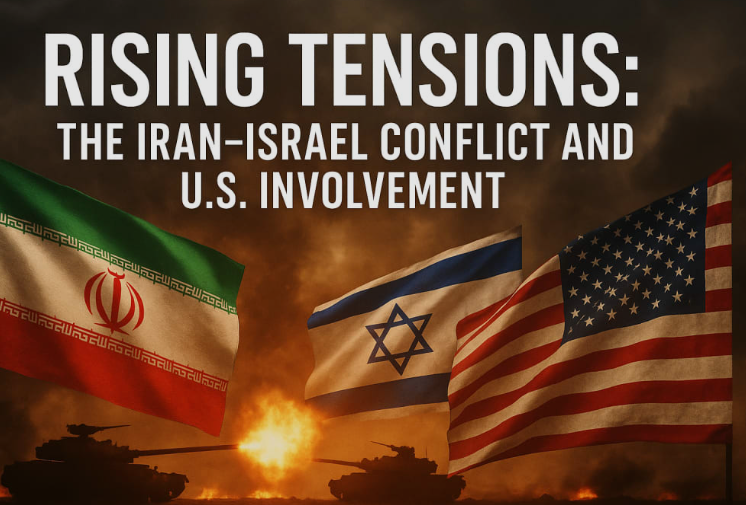

The long-simmering confrontation between the america and Iran has erupted into one of the most dangerous flashpoints in recent global history. A targeted American military strike inside Iranian territory has left senior Iranian military figures dead, escalated fears of a full-scale America Iran war, and sent shockwaves throughout the Middle East.
The strike, described by U.S. officials as a “precision defensive operation,” is already being called a turning point in the ongoing Iran war tensions that have defined geopolitics in the region for decades. With missiles launched, retaliatory threats issued, and global powers weighing in, the situation has pushed the region to the brink of wider conflict.
The Strike That Changed Everything
According to Pentagon sources, the U.S. carried out a high-precision airstrike targeting what it described as an Iranian military coordination hub. American officials claimed the facility was being used to plan operations against U.S. forces and allied interests in the region.
The strike reportedly killed several high-ranking members of Iran’s Revolutionary Guard Corps, including a senior commander believed to oversee regional military strategy. While Washington framed the move as preemptive and necessary for national security, Tehran condemned it as a blatant act of aggression.
In a nationally televised address, U.S. President Donald Trump defended the operation, stating that the United States “will not tolerate threats against American troops or our allies.” He emphasized that the strike was not intended to trigger a broader Iran war but warned that any retaliation would be met with “overwhelming force.”
The statement immediately intensified global debate. Supporters called it a bold show of strength; critics labeled it a reckless escalation that could destabilize the Middle East further.
Iran’s Reaction: Fury and Promises of Retaliation
Iranian leaders responded swiftly and forcefully. State television broadcast images of damaged infrastructure and funeral processions for those killed. Officials described the attack as a “direct assault on Iranian sovereignty” and vowed revenge.
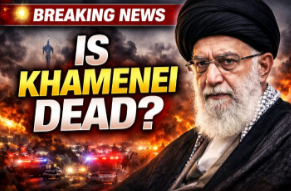
Iran’s Supreme Leader, Ayatollah Ali Khamenei, declared that “the blood of our martyrs will not go unanswered.” The statement fueled fears that retaliation could include missile strikes on U.S. bases, cyberattacks, or actions through allied militias across the region.
Within hours, reports emerged of heightened military readiness on both sides. American bases across the Middle East were placed on high alert. Naval fleets repositioned strategically in nearby waters. Air defense systems were activated in key regional capitals.
The atmosphere shifted from tense diplomacy to visible military preparedness.
Why This Matters: The Bigger Picture of the America Iran War
To understand the magnitude of this moment, one must look at the broader context of the America Iran war narrative. For decades, relations between Washington and Tehran have been marked by sanctions, proxy conflicts, nuclear disputes, and ideological hostility.
From the 1979 Iranian Revolution to disputes over nuclear enrichment programs and regional influence in Iraq, Syria, and Yemen, the two nations have repeatedly stood on opposite sides of geopolitical struggles.
The america iran war latest strike is significant not only because of the lives lost but because it represents direct military action rather than indirect confrontation. For years, tensions largely played out through economic sanctions or proxy groups. Now, the line between shadow conflict and open warfare appears thinner than ever.
Middle East on the Brink
The Middle East has always been a fragile chessboard of alliances and rivalries. An escalation between America and Iran risks drawing in multiple regional players.
Israel, Saudi Arabia, and Gulf nations have long viewed Iran’s expanding influence with suspicion. Meanwhile, groups aligned with Tehran operate in several neighboring countries. A single retaliatory strike could ignite a chain reaction involving multiple fronts.
Oil markets reacted immediately. Prices surged amid fears that key shipping routes could be disrupted. Investors worried about the security of the Strait of Hormuz, a vital artery for global energy supplies. Airlines rerouted flights. Governments issued travel advisories.
Diplomats scrambled to contain the fallout.
European leaders urged restraint. The United Nations called for emergency consultations. Russia and China expressed concern over what they described as “unilateral escalation.”
Yet, despite international appeals for calm, the rhetoric from both Washington and Tehran remained defiant in america iran war .
Political Fallout in the United States
Back home, the strike sparked heated debate. Lawmakers were divided over whether the administration had the authority to launch such an operation without broader congressional approval.
Supporters argued that the president acted decisively to protect American lives. Critics warned that the move could entangle the nation in another prolonged conflict in the Middle East, recalling the costly wars of the early 2000s.
Public opinion appeared similarly split. Some Americans applauded what they saw as strength and deterrence. Others expressed anxiety about the possibility of another extended military engagement overseas.
The political stakes are high. Any prolonged Iran war scenario could shape domestic politics, economic stability, and America’s global standing.
Military Calculations and Strategic Risks
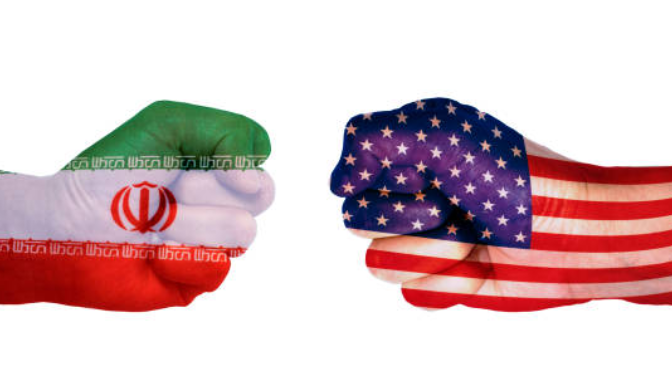
Military analysts note that both sides possess significant capabilities but also face constraints.
The United States maintains unmatched airpower and advanced technology. However, Iran has invested heavily in asymmetric warfare tactics, including missile systems, drone technology, and regional proxy networks.
This means retaliation may not come in conventional form. Cyberattacks on infrastructure, targeted strikes through allied groups, or disruption of shipping lanes are all plausible scenarios.
The danger lies in miscalculation. A limited strike could spiral into broader confrontation if either side overestimates the other’s intentions.
History shows that wars often begin not with grand plans but with rapid escalation triggered by single events.
Human Cost and Civilian Fear
Beyond military strategy and political messaging lies the human dimension. Families in both countries fear the consequences of prolonged hostility.
In Iran, citizens worry about further airstrikes and economic strain. Sanctions have already pressured the economy. Additional conflict could deepen hardship.
In the United States, military families brace for potential deployments. The psychological toll of uncertainty weighs heavily.
Across the Middle East, civilians fear becoming collateral damage in a power struggle far beyond their control.
War headlines may focus on strategy and retaliation, but ordinary lives bear the heaviest burden.
Is Diplomacy Still Possible?
In america iran war Despite the rising tension, diplomatic channels have not completely closed. Back-channel communications reportedly continue through intermediaries. Some regional leaders have offered to mediate.
The critical question is whether both sides see value in de-escalation.
For Washington, the strike was framed as deterrence — a message intended to prevent future threats. For Tehran, retaliation may be necessary to maintain credibility domestically and regionally.
Finding a path that allows both governments to claim strength while stepping back from wider war will require careful negotiation.
What Comes Next?
The coming days are crucial. Intelligence reports, military movements, and political statements will determine whether this remains a limited confrontation or evolves into a broader America Iran war.
Markets, governments, and ordinary citizens are watching closely. A single missile launch or cyber strike could tip the balance.
If cooler heads prevail, diplomacy could prevent further bloodshed. If not, the Middle East may once again become the epicenter of a global crisis.
A Defining Moment
The U.S. strike on Iran has altered the geopolitical landscape overnight. It has reignited debates about power, deterrence, and the risks of military action in an already volatile region.
Whether this moment becomes a brief flashpoint or the beginning of a prolonged Iran war depends on decisions made in the next critical hours and days.
For now, the world waits — anxious, uncertain, and aware that history may be unfolding in real time.

 By
By