
French Navy Seizes Russian-Linked “Shadow Fleet” Tanker in Mediterranean: A New Flashpoint Raising World War 3 Fears
A Silent Naval Interception With Global Consequences
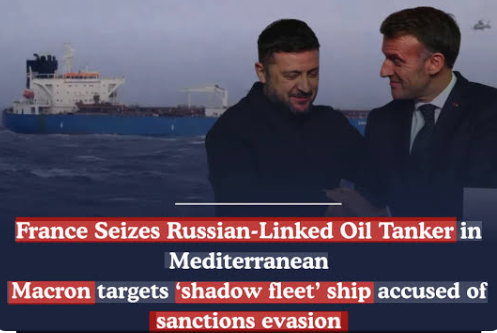
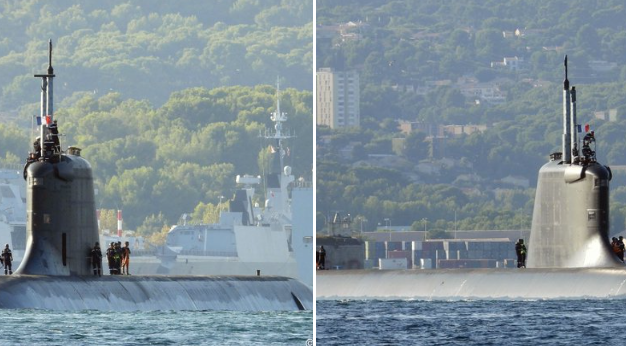
In a dramatic move that underscores rising geopolitical tensions, the French Navy has seized a Russian-linked “shadow fleet” tanker named Grinch in the western Mediterranean. While the interception itself occurred quietly, its implications are anything but subtle. The action signals a hardening European stance on sanctions enforcement, particularly against covert maritime networks used to bypass restrictions on Russian energy exports.
As France, the United Kingdom, and allied nations ramp up naval surveillance, many analysts warn that such confrontations could escalate further — even fueling concerns about a wider global conflict and renewed World War 3 anxieties.
This incident marks a pivotal moment in the enforcement of international sanctions and highlights how the world’s oceans have become a critical battleground in modern geopolitics.
What Is a Russian-Linked “Shadow Fleet” Tanker?
The term russian linked shadow fleet tanker refers to vessels operating outside standard international shipping transparency norms. These tankers often:
- Sail under flags of convenience
- Disable or manipulate Automatic Identification Systems (AIS)
- Conduct ship-to-ship oil transfers in remote waters
- Use shell companies to obscure ownership
- Change vessel names and registrations frequently
Since Western sanctions targeted Russia’s energy exports following the Ukraine conflict, Moscow and affiliated entities have increasingly relied on such shadow fleets to keep oil and fuel flowing to global markets.
The tanker Grinch is suspected of being part of this illicit network — operating in legal gray zones to evade sanctions while transporting Russian-origin energy products.
The French Navy’s Operation: Precision and Message
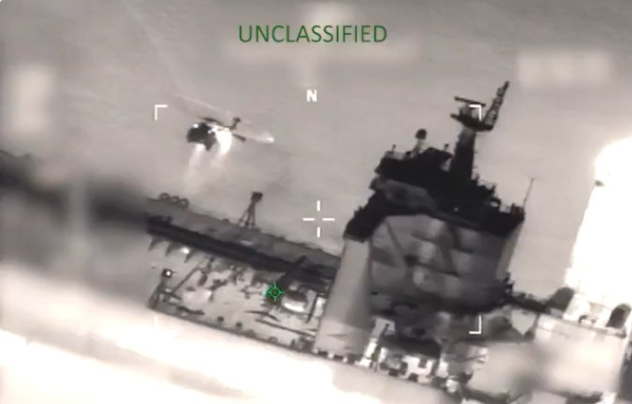
The French Navy intercepted the tanker Grinch in the western Mediterranean, one of the world’s most strategically sensitive maritime corridors. According to security sources, the vessel was flagged for irregular behavior, inconsistent tracking data, and suspicious ownership links connected to sanctioned Russian interests.
French naval forces boarded and seized the tanker after determining it was likely violating EU sanctions and international maritime regulations.
While France has not publicly released all operational details, the seizure itself sends a clear geopolitical message:
Europe is no longer tolerating shadow maritime networks operating with impunity.
Why the Mediterranean Matters So Much
The western Mediterranean is a critical artery for global energy trade, linking:
- The Middle East
- North Africa
- Southern Europe
- Transatlantic shipping routes
By intercepting a russian linked shadow fleet tanker in this region, the French Navy demonstrated its willingness to enforce sanctions far beyond territorial waters. It also sets a precedent for proactive maritime enforcement, rather than reactive diplomacy.
This shift is significant — and potentially risky.
Sanctions Enforcement Enters a New Phase
For much of the past two years, Western sanctions against Russia focused on financial systems, banking restrictions, and trade limitations. However, maritime enforcement has lagged due to the complexity of global shipping.
That appears to be changing.
France, the UK, and other NATO-aligned nations are now:
- Expanding naval patrols
- Increasing real-time ship monitoring
- Coordinating intelligence on suspicious tankers
- Targeting insurance and port access for shadow vessels
The seizure of Grinch signals that Europe is moving from policy to action.
UK and Allied Support: A Coordinated Strategy
The United Kingdom has been particularly vocal about cracking down on Russia’s shadow fleet. British officials have repeatedly warned that unchecked maritime sanctions evasion undermines the entire global order.
Meanwhile, NATO allies are sharing intelligence to identify vessels linked to Russian energy exports operating under deceptive practices.
This coordination makes the French Navy’s move part of a broader Western strategy — not an isolated incident.
The United States’ Role: Backing the Pressure Campaign
The United States has publicly backed European efforts to dismantle illicit maritime networks supporting Russia’s war economy.
Washington sees shadow fleets as:
- A direct threat to sanctions credibility
- A security risk due to unregulated shipping
- A destabilizing force in global energy markets
US officials have encouraged allies to adopt tougher enforcement, including vessel seizures, port bans, and legal prosecutions. The interception of Grinch aligns closely with US strategic goals.
Rising World War 3 Concerns: Are We Crossing a Line?
Any direct confrontation involving Russian-linked assets inevitably fuels World War 3 fears — especially when military forces are involved.
While the seizure of a tanker is far from open warfare, analysts warn that:
- Maritime confrontations can escalate quickly
- Miscalculations at sea have historically sparked wider conflicts
- Russia may respond with retaliatory actions in other regions
The Mediterranean, already crowded with NATO and Russian naval presence, is increasingly becoming a pressure point.
However, Western leaders argue that failing to enforce sanctions would embolden Russia and weaken international law — potentially making a larger conflict more likely in the long run.
Russia’s Likely Response: Silence or Escalation?
So far, Moscow has not issued a detailed response regarding the seizure of Grinch. Historically, Russia has denied links to shadow fleet vessels, despite mounting evidence.
Possible Russian responses include:
- Diplomatic protests
- Legal challenges in international courts
- Increased naval activity elsewhere
- Expanded use of alternative shipping routes
The lack of immediate escalation suggests Russia may choose strategic restraint — at least for now.
Energy Markets on Edge
Global energy markets are watching closely. Any disruption to Russian oil exports — even indirect — can impact:
- Oil prices
- Shipping insurance rates
- Supply chains in Europe and Asia
Shadow fleets have helped stabilize Russian exports despite sanctions. Cracking down on them could tighten supply and increase volatility, especially amid already fragile geopolitical conditions.
A Turning Point in Maritime Sanctions Enforcement
The seizure of the russian linked shadow fleet tanker Grinch by the French Navy represents more than just a single enforcement action.
It signals:
- A tougher European posture
- A willingness to confront sanctions evasion at sea
- Growing coordination among Western allies
- Heightened global tensions with far-reaching implications
Whether this marks the beginning of sustained maritime crackdowns or a one-off warning shot remains to be seen.
Conclusion: Calm Waters or Storm Ahead?
As the world navigates an increasingly fragmented geopolitical landscape, the oceans are no longer neutral spaces. The interception of Grinch shows that maritime routes have become frontline zones in the global struggle over power, law, and influence.
While fears of World War 3 may be premature, actions like this underline how close the world operates to dangerous thresholds. One thing is certain: the era of shadow fleets operating unnoticed is coming to an end.
And the world is watching what happens next.

 By
By