

Fuzzy Zoeller: The Extraordinary Life, Legacy & Untold Facts About Golf’s Most Colorful Champion
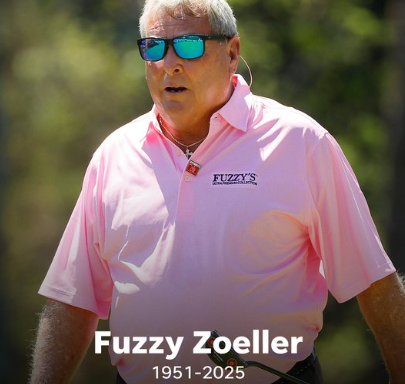
On 27 November 2025, A sad day in golf history . the golf community lost one of its most iconic — and polarizing — figures: Fuzzy Zoeller, the two-time major champion whose vibrant personality, dramatic victories and public controversies made him among the most memorable golfers in history. He passed away at the age of 74.
As tributes poured in, fans and critics alike reflected on a career that combined brilliance, showmanship, boldness — and, at times, deep controversy. This article revisits Zoeller’s life and examines why the legacy of this golfing legend will continue to stir debate, evoke admiration and spark reflection for generations to come.
🌟 The Final Whistle: What We Know About Fuzzy Zoeller’s Death
- The formal announcement of Zoeller’s passing came from the United States Golf Association (USGA), confirming that he died at 74.
- The cause of death has not yet been publicly disclosed. As of the latest reports, no details about health issues or circumstances have been shared.
- Statements from the PGA Tour described Zoeller as “a true original whose talent and charisma left an indelible mark on the game of golf.”
In other words: Fuzzy Zoeller is gone — but his legend, both brilliant and complicated, lives on.
🏆 Career at a Glance: Why Zoeller Was Never Just Another Golfer
To understand the depth of the loss, one must look at what made Zoeller stand out — and unforgettable.
- Zoeller turned professional in 1973, after finishing his amateur and collegiate career in Indiana and at the University of Houston.
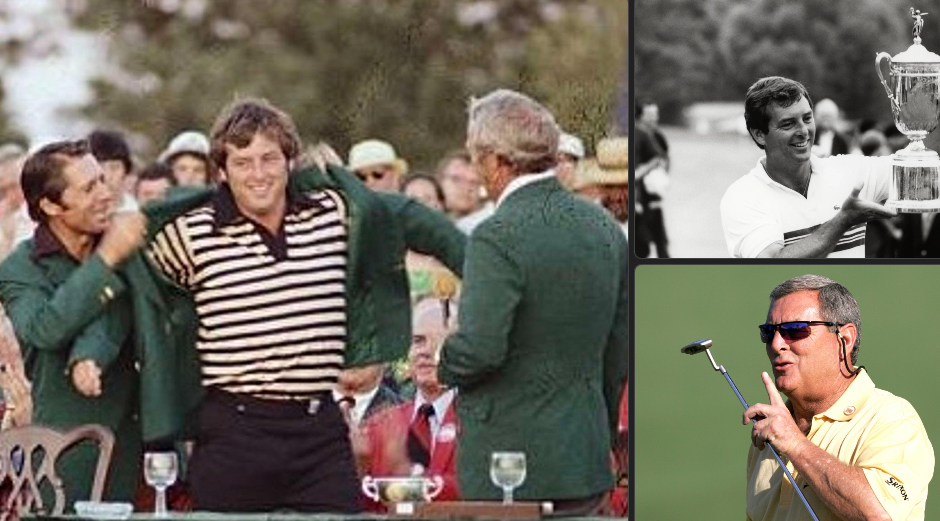
- His crowning achievement came in 1979, when — in his very first appearance at the prestigious The Masters Tournament — he won the green jacket, becoming the last golfer in history to win the Masters on debut.
- Five years later, he clinched his second major: the 1984 U.S. Open at Winged Foot, defeating Greg Norman in a dramatic 18-hole playoff — one of the most compelling finishes ever seen in major championship golf.
- Over his career, Zoeller amassed 10 PGA Tour wins (including his two majors) and after turning 50, also claimed two PGA Tour Champions titles.
- Beyond results, he brought personality to a sport known for decorum. Fast rounds, relaxed chatter with spectators, a quick wit — Zoeller didn’t just play golf. He entertained.
In sum: talent, charisma, risk, and flair — the perfect ingredients to become more than a champion, but a legend.
🔟 Top 10 Fascinating Facts About Fuzzy Zoeller That Define His Legacy
Here you go with 10 amazing facts — good, bad, and complex — that shaped Fuzzy Zoeller’s journey:
- Masters Win on Debut — Winning the Masters in his first attempt made him one of only three players ever to do so. That rare feat alone guarantees his name in golfing history.
- Dramatic U.S. Open Victory — His 1984 U.S. Open win came after a tense playoff with Greg Norman — a finish etched in major-championship folklore.
- 10-Time PGA Tour Winner — Beyond just majors, Zoeller accumulated a robust tour record, showing consistency and long-term competitiveness.
- Long Career with Champions Tour Success — Even after turning 50, he proved his mettle by winning on the senior circuit.
- Globally Loved Personality — Known for cheerful whistling, quick lines, and a relaxed style — he made golf entertaining and approachable.
- Racism Controversy Linked to a Historic Moment — Following the 1997 win of Tiger Woods at the Masters, Zoeller made a racially insensitive joke referencing fried chicken and collard greens. The backlash was massive, sponsorships were lost, and his reputation significantly tarnished.
- Never Forgotten — For Better or Worse — The Woods comment remains part of his public memory; for many, it defined the later chapters of his life.
- A Life Rooted in Indiana — Born in New Albany, he learned golf nearby and stayed connected to his roots — a reminder that legends often come from humble beginnings.
- Survived by Family and Memories — At his passing, Zoeller left behind children and grandchildren. Tributes emphasize his warmth off-course, his competitiveness on course, and his complex, layered legacy.
- Dual Legacy — Triumphs and Controversies — Zoeller’s story is not a straight line of glory. It’s shaded with human frailty, mistakes, redemption attempts, and a complicated relationship with fame. That duality is what makes him endlessly fascinating — and endlessly debated.
🎤 The Tiger Woods Episode: Triumph, Mistake — And Its Enduring Shadow
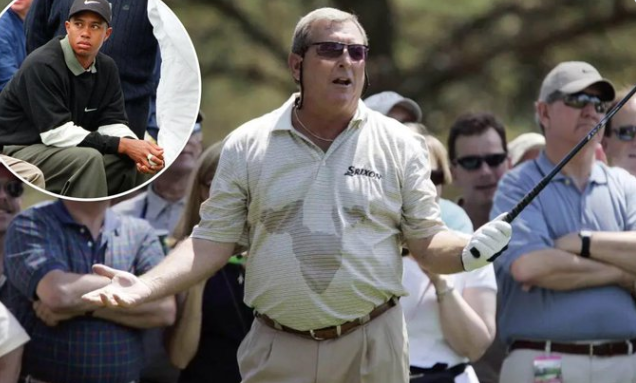
Arguably, one of the most consequential moments of Zoeller’s public life was the aftermath of the 1997 Masters, when Tiger Woods won in dominant fashion — heralding a new era in golf.
When asked for his reaction, Zoeller responded with a joke referencing fried chicken and collard greens — remarks widely perceived as racially insensitive. The reaction was swift: sponsors dropped him, media condemned the comment, and his reputation took a heavy hit.
Though Zoeller apologized and claimed the remarks were made in jest, many argued it reflected deeper prejudices. Even decades later, as news of his death spread, tributes were often accompanied by uncomfortable reminders of that moment. The controversy — once part of his story — remains etched into his legacy.
Still, some voices defended the man they knew: one who had entertained millions, who had genuine friendships with players of all backgrounds, and who had expressed regret. Regardless, the episode remains a key chapter — illustrating how sports, culture and societal change intersect in complex ways.
📰 2025 — The Year the Legend Ended: Golf Reacts to Fuzzy Zoeller Death
The reaction to Zoeller’s death has been swift, heartfelt, and candid.
- The USGA called him “one of a kind,” praising both his skill and his joy for the game.
- The PGA Tour described him as “a true original,” acknowledging his impact on fans, peers, and the sport’s culture.
- Media outlets across the world revisited his greatest moments — the Masters putter toss, the U.S. Open white-towel wave, his wins, and his controversial remarks — painting a full, honest, human portrait.
- Fans took to social media and golf forums mourning the passing of a man many saw as “golf’s entertainer.” Others debated whether his missteps should overshadow his achievements. The debate itself underscores how Zoeller remained relevant decades after his prime.
As one major obituary summed it up: “He brought flair to fairways, laughter to galleries, and controversy to television screens. In death, as in life, Fuzzy Zoeller will be remembered — for all that he was.”
⚖️ The Dual Legacy: Celebrating Wins, Acknowledging Wrongs
Fuzzy Zoeller’s story forces us to hold two truths at once:
- On one hand, he was an exceptional athlete — talented, fearless, often brilliant under pressure. His Masters-on-debut, historic U.S. Open win, tour victories, and showman-style play made him a legend.
- On the other hand, his public misjudgment — the 1997 remark about Tiger Woods — cast a long shadow. It raised questions about racial sensitivity, legacy, and how public figures must contend with changing cultural norms.
For many, Zoeller’s life is a reminder that greatness does not equal perfection. That success does not erase mistakes. And that being human means living with both triumphs and regrets.
💡 Why Fuzzy Zoeller’s Death Matters — More Than Golf
His passing resonates beyond the fairway, because:
- He represents an era when golf balanced serious competition with entertainment, personality and bravado.
- His life showcases change in social awareness — how once-acceptable remarks became unacceptable, and how public memory can shift.
- He shows that sporting legends are not always saints — but they can still matter. The good, the bad, the wins, the mistakes — it’s the totality that defines them.
- His story invites conversation about forgiveness, legacy, accountability, and memory — not just in golf, but in sports and public life globally.
✨ Final Thoughts: Farewell to a Complex Champion
Fuzzy Zoeller’s death marks the close of a colorful, turbulent chapter in golf history. He won with flair, played with personality, and lived a name that fans recognized everywhere.
He also erred publicly, faced consequences, and bore the weight of his mistakes — a cautionary tale about the power of words, the cost of fame, and the double-edged sword of legacy.
But whether you remember him for the Masters putter toss, the US Open comeback, the jokes with fans, or the controversy — one thing is inevitable: Fuzzy Zoeller’s name will stay alive.
For better or worse, his story remains a lesson: greatness does not require perfection. And sometimes, legends are the most human among us.


 By
By