

🌌 The Sky’s Grand Performance Is About to Begin
The Northern Lights, also known as the Aurora Borealis, are set to deliver one of their most spectacular performances of the decade. With experts predicting a surge in solar activity, the northern lights tonight could be brighter, broader, and more vivid than we’ve seen in years.
From Alaska to Norway, skywatchers and scientists alike are preparing for what might be one of the most memorable aurora events of 2025. But what exactly causes this phenomenon, and why is this year’s aurora borealis forecast sparking so much global attention? Let’s explore the science, the forecast, and the beauty behind nature’s most magical light show.
☀️ What Exactly Are the Northern Lights?
The Northern Lights, scientifically known as the Aurora Borealis, are caused when charged particles from the Sun collide with Earth’s magnetic field and upper atmosphere. These particles interact with gases like oxygen and nitrogen, creating glowing curtains of color that shimmer and dance across the night sky.
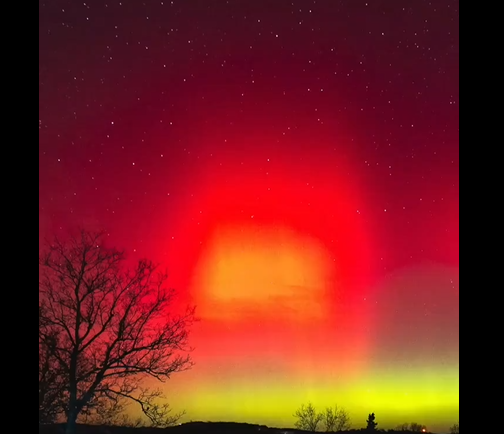
The results? A breathtaking palette of green, pink, purple, and red lights that appear to move and shift like living energy — a phenomenon that’s both scientifically fascinating and spiritually moving.
For centuries, people in the Arctic regions believed the lights were messages from ancestors or celestial spirits. Today, we know it’s the Sun’s energy painting our skies.
🔭 Why 2025 Is a Historic Year for Aurora Activity
The aurora borealis forecast 2025 is lighting up scientific circles for one major reason — the Solar Maximum. This is the peak of the Sun’s 11-year activity cycle when solar flares and geomagnetic storms are most frequent.
According to NASA and NOAA, this means stronger, brighter, and more frequent Northern Lights throughout the year. These solar storms send charged particles hurtling toward Earth, igniting spectacular auroral displays even visible in areas far south of the Arctic — possibly across northern U.S. states, parts of Europe, and Asia.
So, if you’re wondering about the Northern Lights tonight, there’s a higher-than-usual chance you’ll catch a glimpse, even from regions that rarely see them.
🌍 Where Can You See the Northern Lights Best?
While auroras can occasionally surprise observers in unusual places, the best seats on Earth for this celestial performance remain in the far north. According to the latest Northern Lights aurora borealis forecast, these are the world’s top viewing destinations:
- Tromsø, Norway – Known as the “Capital of the Arctic Lights.”
- Reykjavík, Iceland – Offers breathtaking reflections over frozen lagoons and black sand beaches.
- Fairbanks, Alaska (USA) – One of the most reliable aurora viewing hubs on Earth.
- Lapland, Finland – Glass igloos and snow-covered forests make for unforgettable viewing.
- Yellowknife, Canada – Lies directly beneath the aurora oval for near-nightly displays.
Each of these destinations blends science and storytelling — from modern observatories to centuries-old myths whispered under glowing skies.
🌠 The Best Time to Watch the Northern Lights Tonight
If you’re chasing the northern lights tonight, timing is everything.
Auroras are most visible:
- Between September and March, when nights are longest and darkest.
- Around midnight to 2 AM local time, though they can appear anytime during full darkness.
- On clear, moonless nights with minimal light pollution.
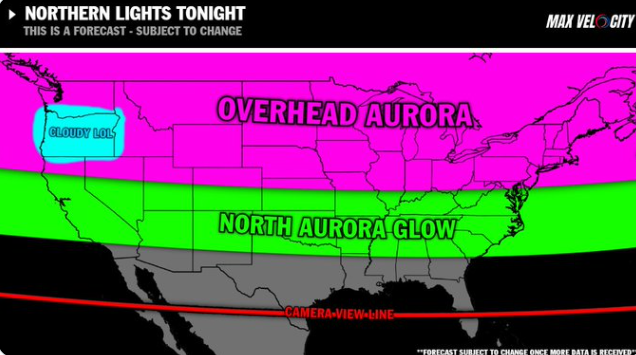
Use an aurora tracking app such as My Aurora Forecast or Aurora Alerts for real-time updates. A Kp index (geomagnetic activity scale) above 5 indicates strong visibility potential, even in regions farther south.
🌞 Aurora Borealis Forecast 2025: What Experts Predict
Experts from NASA and the European Space Agency have marked 2025 as one of the most intense years for aurora visibility in over a decade. The aurora forecast predicts:
- Increased solar flare activity leading to stronger auroras.
- Broader visibility stretching into southern Canada, northern U.S., and parts of Europe.
- Longer duration displays during geomagnetic storms.
For photographers, travelers, and space enthusiasts, this is the ideal year to plan your Northern Lights adventure.
🧭 9 Fascinating Facts About the Northern Lights
- The Southern Hemisphere has its own version — the Aurora Australis.
- The color of the aurora depends on the gas type and altitude (green from oxygen, purple from nitrogen).
- Auroras can form as high as 400 miles above the Earth’s surface.
- Sound reports of faint crackles and pops have been recorded during powerful auroras.
- Ancient Vikings believed auroras were reflections from the shields of gods.
- Auroras have been spotted on Jupiter and Saturn, proving they’re not exclusive to Earth.
- The strongest auroras often occur near the equinoxes (March and September).
- NASA’s satellites constantly monitor solar winds to predict aurora events.
- The phenomenon boosts Arctic tourism, contributing millions to local economies annually.
📸 Capturing the Perfect Aurora Borealis Shot
If you’re ready to photograph the Northern Lights tonight, remember that patience and preparation are key. Here are quick tips:
- Use a tripod for stability.
- Set your ISO between 800–3200.
- Choose a wide aperture (f/2.8).
- Keep your exposure between 10–25 seconds.
- Turn off flash and focus manually on a distant star.
Even a smartphone with night mode can produce stunning aurora shots under clear skies.
⚡ The Power Behind the Beauty: Space Weather & Technology
While auroras are enchanting, they’re also a reminder of the Sun’s immense power. Solar storms that create auroras can also disrupt communication satellites, GPS systems, and power grids.
This is why the northern lights aurora borealis forecast is not just for travelers but for global infrastructure monitoring. Agencies like NOAA’s Space Weather Prediction Center issue aurora alerts to both scientists and the public, ensuring that this cosmic beauty doesn’t turn into a technological hazard.
🌌 Final Thoughts: A Celestial Gift Worth Chasing
The Northern Lights remain one of Earth’s most extraordinary gifts — a fusion of science, art, and pure cosmic wonder. Whether you’re standing under a snow-covered sky in Iceland or glancing northward from your backyard, witnessing the aurora reminds us how small we are in the vast beauty of space.
With the aurora borealis forecast 2025 predicting unprecedented displays, now is the time to look up, stay informed, and experience this heavenly spectacle for yourself.
So when the alerts light up tonight — step outside, breathe in the cold night air, and watch as the Northern Lights tonight transform the sky into a living masterpiece.


 By
By