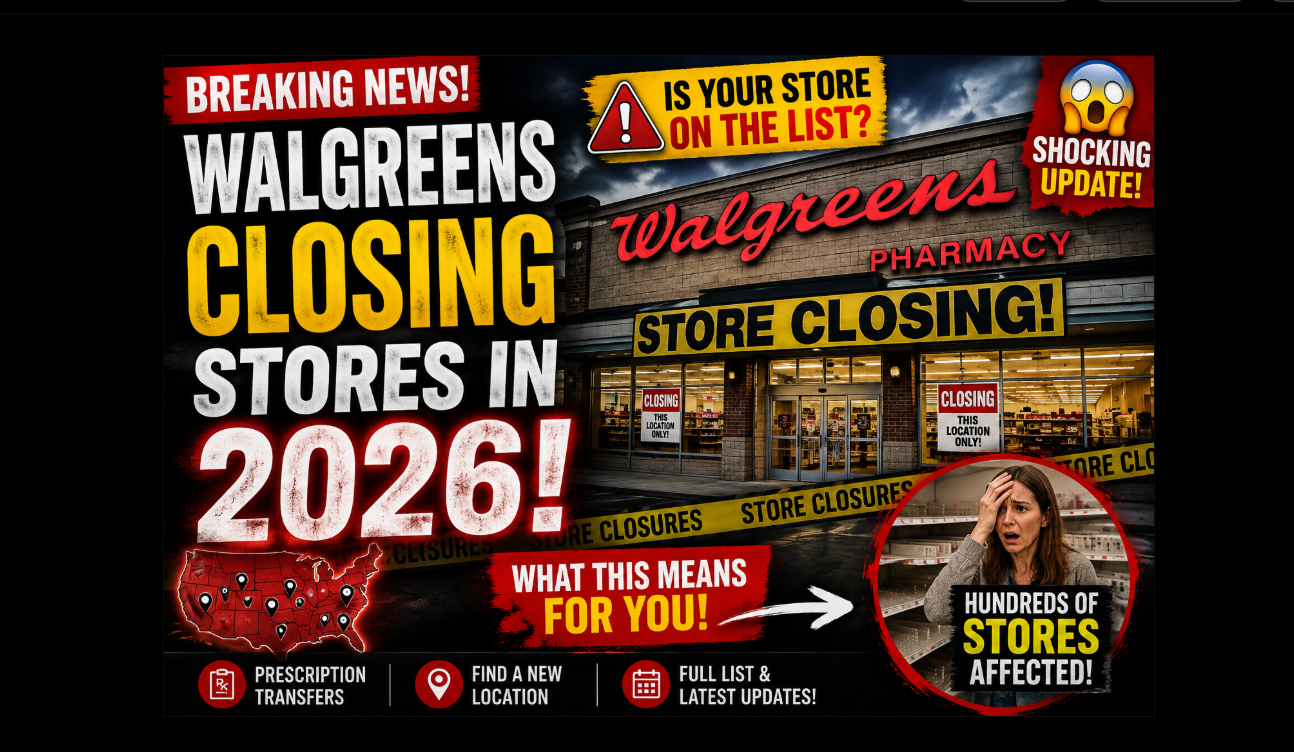
Walgreens 2026 store locations closing continue as the pharmacy chain reshapes its footprint. Here’s what customers need to know about store closures, prescription transfers, and what’s next.
Walgreens 2026 Store Locations Closing: Why Thousands of Customers Are Watching the Pharmacy Giant’s Next Move
For millions of Americans, a trip to Walgreens is part of everyday life—whether it’s picking up a prescription, buying household essentials, or grabbing last-minute health products. But in 2026, that familiar routine is changing for some communities as Walgreens continues closing selected store locations as part of its long-term restructuring strategy.
The company isn’t shutting down its entire retail network. Instead, Walgreens is continuing a multi-year plan first announced in 2024 to close approximately 1,200 underperforming stores over three years while investing in stronger-performing locations and pharmacy services. As new closures are announced in different states throughout 2026, many customers are asking the same question: Is my local Walgreens next? (AP News)
Why Is Walgreens Closing Stores in 2026?
The latest Walgreens 2026 store locations closing announcements are part of a broader effort to streamline operations after years of financial pressure.
According to company statements and recent reporting, Walgreens has faced several challenges, including:
- Declining retail sales.
- Higher operating costs.
- Increased competition from Amazon, Walmart, and other retailers.
- Lower reimbursement rates for prescription medications.
- Shifting consumer shopping habits toward online ordering and delivery.
Rather than maintaining stores that consistently lose money, Walgreens says it is concentrating resources on locations that can better serve patients while strengthening its pharmacy-focused business. (AP News)
Walgreens 2026: A Strategy Focused on Fewer, Stronger Stores
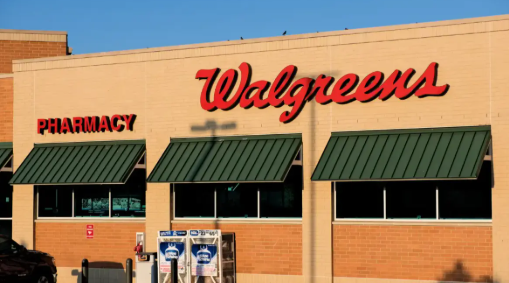
Although store closures often create concern, Walgreens continues to operate around 8,000 locations across the United States and Puerto Rico.
Company executives have repeatedly emphasized that the goal is not to exit communities entirely, but to reduce overlapping or underperforming stores while improving customer service at remaining locations. (Walgreens Corporate Site)
Many of the stores selected for closure are located in areas where another Walgreens operates nearby, allowing prescription services to continue with minimal disruption.
Which Walgreens 2026 Store Locations Are Closing?
Walgreens has confirmed additional closures during 2026 in several states, although the exact list continues to evolve as leases expire and business conditions change.
Recent closures have been reported in states including:
- California
- Florida
- Illinois
- Missouri
- New York
- South Carolina
- Texas
- Virginia
- Washington
- Wisconsin
- Washington, D.C.
The company says further decisions will depend on factors such as store performance, lease agreements, neighborhood demand, and operational efficiency. (Diario AS)
Importantly, Walgreens has not published a nationwide master list of every future closure, so customers should rely on official company announcements and local notices rather than social media rumors.
What Happens If Your Local Walgreens Closes?
For many customers, the biggest concern is prescription access.
Walgreens says patients whose pharmacy location closes will generally have their prescriptions transferred automatically to another nearby Walgreens location whenever possible.
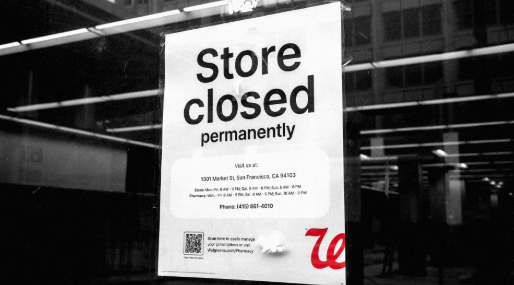
Customers can also:
- Choose a different Walgreens pharmacy.
- Transfer prescriptions to another pharmacy.
- Use prescription delivery options where available.
- Continue managing medications through the Walgreens mobile app and website.
The company says pharmacy teams are trained to help patients transition smoothly during store closures. (Walgreens)
Employees Also Face Uncertainty
Store closures affect more than customers.
Employees working at closing locations may be offered transfers to nearby stores depending on staffing needs, while some positions may be eliminated as part of the company’s restructuring efforts.
Earlier this year, Walgreens also reduced parts of its workforce following its acquisition by Sycamore Partners as the company implemented broader cost-cutting measures. (Reuters)
Retail Industry Faces Broader Changes
Walgreens is far from the only retailer reducing its physical footprint.
Across the retail industry, companies continue reevaluating store networks as consumer habits evolve.
Many shoppers now:
- Order prescriptions online.
- Use home delivery.
- Shop through mobile apps.
- Visit fewer brick-and-mortar stores.
These long-term changes have encouraged many national retailers to focus on fewer—but more profitable—locations.
Customers Urged to Check Official Updates
If you’re concerned about your neighborhood store, Walgreens recommends checking its official store locator for the latest operating information.
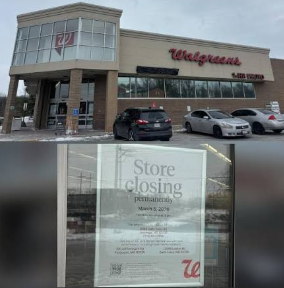
Store hours, pharmacy transfers, and closure notices are updated online as decisions are finalized. (Walgreens)
What the Walgreens 2026 Store Closures Mean for Customers
While the announcement of Walgreens 2026 store locations closing has raised concerns nationwide, the company’s leadership says the strategy is designed to strengthen—not weaken—its long-term business.
For most customers, the impact will depend on where they live. In many cities, another Walgreens location is only a few miles away, allowing customers to continue filling prescriptions with little interruption. However, in smaller communities or rural areas, the closure of a local pharmacy can mean longer travel times, delays in accessing medications, and fewer healthcare options.
Healthcare advocates note that pharmacies are often more than retail stores—they serve as accessible healthcare centers where patients receive vaccinations, medication counseling, health screenings, and routine prescription services. That is why each closure has generated close attention from local officials and community organizations.
Walgreens’ Multi-Year Restructuring Timeline
The Walgreens 2026 restructuring plan did not happen overnight. Instead, it has been unfolding over several years as the company adapts to changing market conditions.
2024
Walgreens announced plans to close approximately 1,200 underperforming U.S. stores over a three-year period after reporting financial challenges and declining profits.
2025
The company continued evaluating store performance while investing in digital pharmacy services, healthcare partnerships, and operational efficiency.
2026
Store closures continue in selected markets as Walgreens focuses on consolidating operations, improving profitability, and modernizing its pharmacy network. Executives have emphasized that closures are based on individual store performance rather than a nationwide withdrawal from communities.
Why the Retail Industry Is Changing
Walgreens is not alone in reshaping its physical footprint.
Across the retail and pharmacy sectors, businesses are responding to several long-term trends:
- More customers ordering prescriptions online.
- Increased use of home delivery services.
- Rising labor and operating costs.
- Competition from e-commerce retailers.
- Growing demand for digital healthcare services.
- Expansion of telehealth and virtual medical consultations.
These industry-wide changes have encouraged companies to invest more heavily in technology while reducing expenses associated with maintaining less-profitable locations.
What Customers Should Do If Their Store Is Closing
If your neighborhood Walgreens is scheduled to close, there are several steps you can take to avoid disruptions:
✔ Verify the Closure
Check Walgreens’ official website or contact your local store directly to confirm closure dates.
✔ Review Prescription Transfers
Most active prescriptions are typically transferred to another nearby Walgreens pharmacy. Customers should confirm the transfer with their pharmacist.
✔ Update Automatic Refills
If you use automatic refill services, verify that future prescriptions will be sent to your preferred location.
✔ Explore Delivery Options
Many medications remain available through Walgreens’ prescription delivery services, depending on your location and eligibility.
✔ Speak With Your Pharmacist
Pharmacy staff can explain how your prescriptions, vaccination records, and patient information will be managed after the closure.
Financial Pressures Behind the Closures
Industry analysts say several factors continue to weigh on Walgreens’ business.
Among the biggest challenges are:
- Lower reimbursement rates from insurers and pharmacy benefit managers.
- Inflation-driven increases in operating costs.
- Declining front-of-store retail sales.
- Increased competition from discount retailers and online pharmacies.
- Changing consumer shopping habits.
Despite these challenges, Walgreens says it remains committed to serving millions of customers through its remaining locations and expanded digital services.
Google Snippet
Why is Walgreens closing stores in 2026?
Walgreens is closing selected stores in 2026 as part of a multi-year restructuring plan to improve profitability. The company previously announced plans to close approximately 1,200 underperforming locations while investing in stronger stores, pharmacy services, and digital healthcare. Most customers will still have access to nearby Walgreens locations or prescription transfer options.
Frequently Asked Questions ( FAQs)
Why is Walgreens closing stores in 2026?
Walgreens is closing selected underperforming stores as part of its long-term restructuring strategy aimed at improving efficiency and financial performance.
How many Walgreens stores are closing?
The company previously announced plans to close approximately 1,200 U.S. stores over three years, with closures continuing during 2026.
Which Walgreens locations are closing?
Closure locations vary by state and market. Walgreens announces individual closures as decisions are finalized.
Will my prescriptions be transferred?
Yes. Walgreens generally transfers active prescriptions to another nearby Walgreens pharmacy whenever possible.
Can I move my prescription to another pharmacy?
Yes. Customers may transfer prescriptions to another Walgreens location or to a different pharmacy if they choose.
Is Walgreens going out of business?
No. Walgreens continues operating thousands of stores nationwide. The closures are part of a restructuring plan rather than a company-wide shutdown.
Will pharmacy services continue?
Yes. Walgreens continues providing pharmacy services through its remaining locations, online platform, and prescription delivery programs.
Are employees losing their jobs?
Some employees may be transferred to nearby stores, while others may be affected depending on staffing needs and local business conditions.
How can I check if my local Walgreens is closing?
Customers should check the Walgreens website, mobile app, or contact their local store for the latest updates.
What happens next?
Walgreens is expected to continue reviewing store performance throughout 2026 while investing in healthcare services, pharmacy operations, and digital technology.
Final Thoughts
The Walgreens 2026 store locations closing initiative marks another chapter in the transformation of one of America’s largest pharmacy chains. While the closures have created uncertainty for some customers and employees, they are part of a broader strategy to adapt to changing consumer behavior, rising operating costs, and increased competition.
For most customers, the immediate impact may be limited thanks to prescription transfers and nearby Walgreens locations. However, communities losing their only neighborhood pharmacy may face greater challenges in accessing essential healthcare services.
As Walgreens continues reshaping its retail footprint, customers are encouraged to rely on official company updates and communicate with their local pharmacy to ensure a smooth transition. The company’s next steps will likely remain closely watched throughout 2026, as both the retail and healthcare industries continue evolving.