
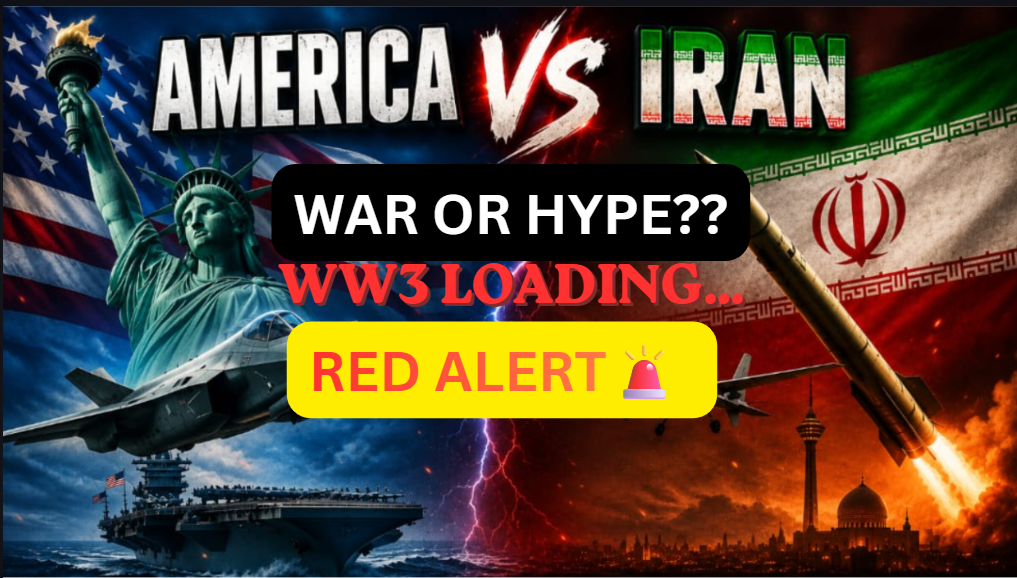
AMERICA VS IRAN The world is once again staring at the Middle East with fear, confusion, and one terrifying question — is the America-Iran conflict about to trigger World War 3?
From exploding headlines and military threats to naval blockades and rising oil prices, the internet is flooded with panic. Social media is screaming “WW3 Loading,” while global leaders are desperately trying to avoid a catastrophe that could shake the entire planet.
But behind the viral hashtags and dramatic headlines lies a dangerous reality: tensions between the United States and Iran have reached one of their highest points in years. Military movements, threats in the Strait of Hormuz, failed nuclear talks, and aggressive rhetoric from both sides are pushing the region closer to the edge. (The Guardian)
So, is this a real war AMERICA VS IRAN in the making — or just another geopolitical power game?
Here’s the full breakdown of the exploding america iran war situation that has the world on red alert.
America vs Iran: Why the Entire World Is Watching
The latest escalation between the U.S. and Iran didn’t happen overnight. The hostility between the two nations has been building for decades, fueled by sanctions, nuclear disputes, military confrontations, and regional influence battles.
But in recent months, the situation has intensified dramatically.
AMERICA VS IRAN Reports suggest that the U.S. increased its military presence in the Middle East while Iran responded with aggressive naval movements and missile warnings. The Strait of Hormuz — one of the world’s most critical oil shipping routes — has become the center of global tension. (Al Jazeera)
At the same time, peace negotiations and nuclear talks have repeatedly failed to produce a breakthrough. (ITVX)
That combination — diplomacy collapsing while military threats increase — is exactly why experts fear the region could spiral into a larger conflict.
Why “WW3” Is Trending Everywhere
The term WW3 has exploded across social media because many people believe the current crisis could drag multiple global powers into one giant conflict.
Here’s why the fear is growing:AMERICA VS IRAN
- The U.S. has strategic allies across the Middle East.
- Iran has powerful regional proxies and international partners.
- Oil supply routes are under threat.
- Global economies are already unstable.
- Nuclear tensions remain unresolved.
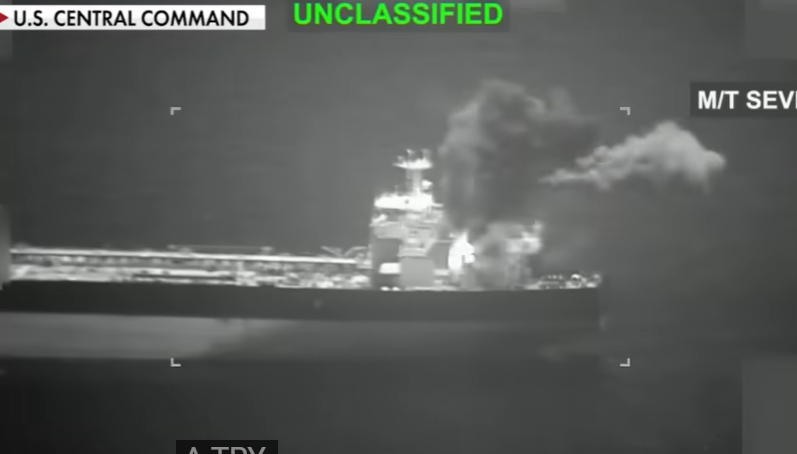
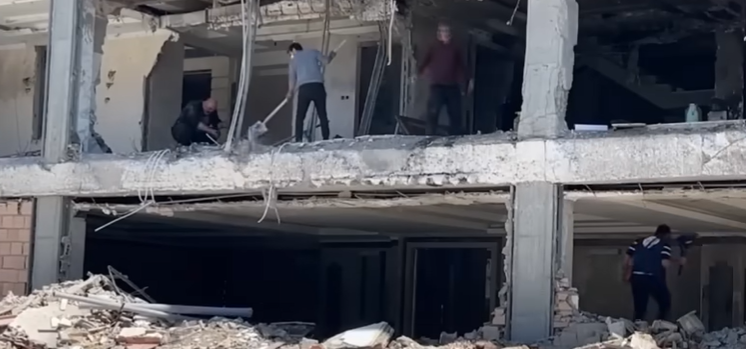
If a full-scale military strike happens, countries like Israel, Saudi Arabia, Russia, and even China could become indirectly involved depending on how the situation unfolds.
That’s why analysts are warning that even a “limited conflict” between America and Iran could create worldwide consequences. (Al Jazeera)
However, many experts also believe both nations understand the catastrophic cost of an all-out war, making direct global conflict less likely than social media claims suggest.
What Sparked the Latest America Iran War Scare?
The current wave of fear intensified after reports of military activity near the Strait of Hormuz and escalating rhetoric from leaders on both sides.
One major flashpoint came after reports that the U.S. announced aggressive measures in response to Iran’s control over shipping routes in the Gulf. (Axios)
Iran then released videos claiming its naval forces confronted American warships in the Persian Gulf, further fueling global panic. (The Economic Times)
Meanwhile, President Donald Trump publicly warned Iran about “bad things” happening if negotiations failed. (Investing.com)
Those statements instantly triggered fears online that the situation could escalate into a direct military clash.
The Strait of Hormuz: The World’s Most Dangerous Hotspot
One reason the america vs iran crisis is so serious is because of geography.
The Strait of Hormuz is one of the most important oil transit routes on Earth. Nearly a third of global oil trade passes through this narrow waterway. Any disruption there can send oil prices skyrocketing worldwide. (YouTube)
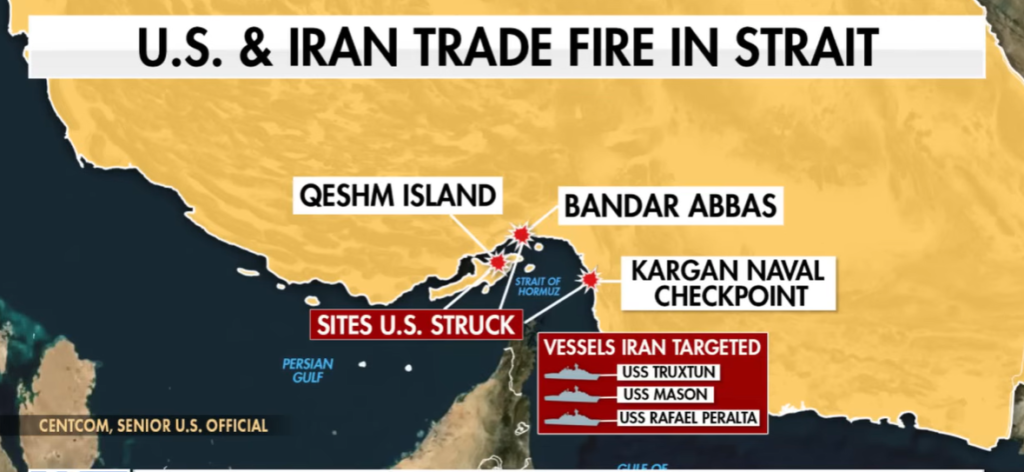
That’s exactly why markets are nervous.
If Iran blocks or threatens shipping routes, global fuel prices could spike overnight. Economies already struggling with inflation would face even more pressure.
Some reports even suggest commercial ships have already faced disruptions amid the rising tensions. (The Guardian)
This isn’t just a regional issue anymore — it’s a global economic threat.
Is America Preparing for a Bigger War?
Military analysts believe the U.S. has been increasing pressure strategically rather than launching an immediate invasion.
Naval deployments, military exercises, and strong political messaging are being used to pressure Iran into negotiations regarding its nuclear program and regional influence. (Al Jazeera)
At the same time, Iran has repeatedly shown that it will not back down easily.
Iranian officials have warned that any attack would receive a “powerful response,” and the country has continued showcasing missile and drone capabilities. (Al Jazeera)
This dangerous cycle of threats and counter-threats is exactly what makes the situation unpredictable.
Could This Really Become WW3?
The short answer: probably not — but the risk of a major regional war is very real.
Many military experts believe a direct full-scale war between the U.S. and Iran would be devastating for both sides. It would likely:
- Destroy regional stability
- Crash financial markets
- Trigger energy crises
- Cause massive civilian casualties
- Drag neighboring countries into conflict
Because of these risks, both governments appear to be balancing aggression with diplomacy.
In fact, recent reports suggest peace proposals and ceasefire discussions are still happening behind the scenes despite the heated rhetoric. (New York Post)
That indicates neither side may truly want total war — even if public messaging sounds explosive.
Still, experts warn that one mistake, one missile strike, or one accidental confrontation could ignite something far bigger.
Social Media Is Making the Fear Even Bigger
One reason the WW3 panic feels overwhelming is because social media amplifies fear instantly.
Videos of missiles, military ships, and dramatic headlines spread within seconds. Many creators use terms like:
- “Red Alert”
- “WW3 Loading”
- “Middle East Meltdown”
- “America vs Iran Final War”
These phrases generate millions of clicks because fear attracts attention.
But not every viral post reflects reality.
While the threat is serious, many online claims exaggerate events for views and engagement. That’s why separating verified information from online panic is more important than ever.
Global Markets Are Already Reacting
Even without a full war, the fear alone is affecting global markets.
Oil prices, gold, and defense stocks have seen increased volatility as investors react to the uncertainty surrounding Iran and the United States. (Business Insider)
Why?
Because markets hate instability.
Whenever tensions rise in the Middle East, investors fear:
- Oil shortages
- Supply chain disruptions
- Inflation spikes
- Global economic slowdown
That’s why even rumors of military escalation can impact economies worldwide.
What Happens Next?
Right now, the future depends on three possible paths:
1. Diplomacy Wins
The U.S. and Iran could eventually reach some form of agreement regarding sanctions, nuclear restrictions, and Gulf security.
This would calm markets and reduce fears of war.
2. Controlled Conflict Continues
This is currently the most likely scenario according to many analysts.
In this path:
- Military threats continue
- Small confrontations happen
- Cyber warfare increases
- But neither side launches a full invasion
3. Full Escalation
This is the nightmare scenario.
One major attack, assassination, or accidental military clash could trigger a larger regional war with global consequences.
That’s the scenario fueling the viral WW3 panic online.
Final Verdict: War or Hype?
The truth lies somewhere in the middle.
The america iran war fears are not completely fake. The tensions are real, the military buildup is real, and the risks are serious. (Al Jazeera)
But at the same time, social media is amplifying the fear beyond reality.
A direct World War 3 remains unlikely because both nations understand how catastrophic such a conflict would become.
Still, the situation is extremely volatile.
The Middle East is once again standing on the edge, and the entire world is watching closely to see whether diplomacy can prevent disaster — or whether one spark could change history forever.


