
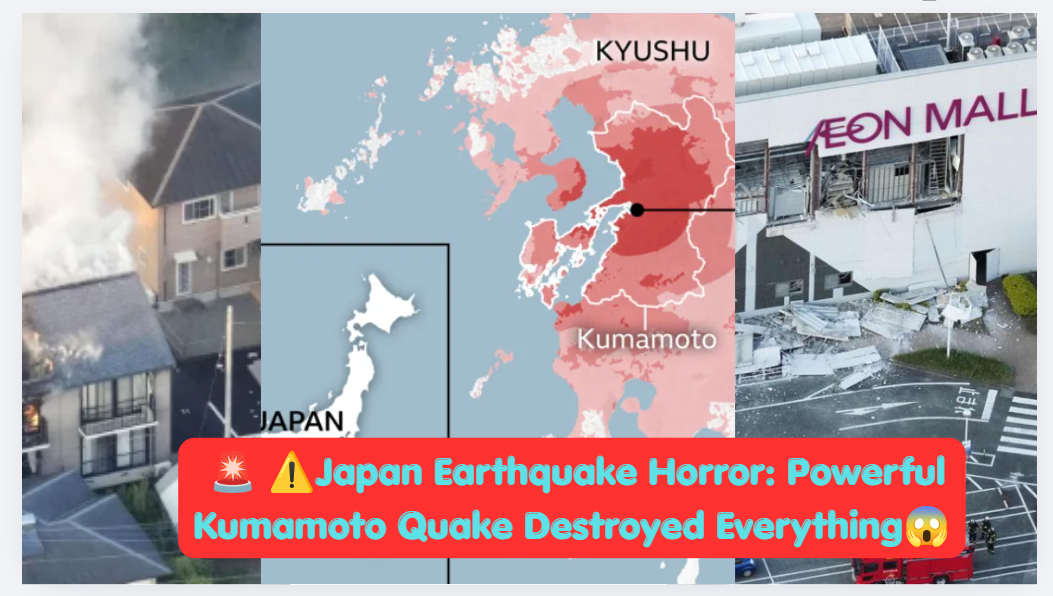
A powerful Japan earthquake struck Kumamoto, damaging buildings, disrupting transport, and triggering emergency rescue operations. Read the latest updates, casualties, and what happened in Japan today.
Japan Earthquake Today: Powerful Kumamoto Quake Shakes Southwest Japan as Rescue Teams Race Against Time
Japan has once again been reminded of its vulnerability to natural disasters after a powerful earthquake struck Kumamoto Prefecture, sending strong tremors across southwestern Japan, damaging infrastructure, and forcing thousands of residents to evacuate. The latest Japan earthquake today has reignited concerns over seismic activity in one of the world’s most earthquake-prone nations.
The earthquake, which struck on July 28, 2026, rattled homes, businesses, transportation networks, and public facilities throughout Kumamoto and neighboring regions. Rescue teams, firefighters, and emergency medical personnel immediately launched large-scale operations to assist injured residents and search damaged buildings.
Authorities confirmed that multiple people were killed and dozens injured as emergency crews continued rescue efforts through the night. Officials warned that aftershocks remain possible, urging residents to stay alert and avoid entering damaged structures.
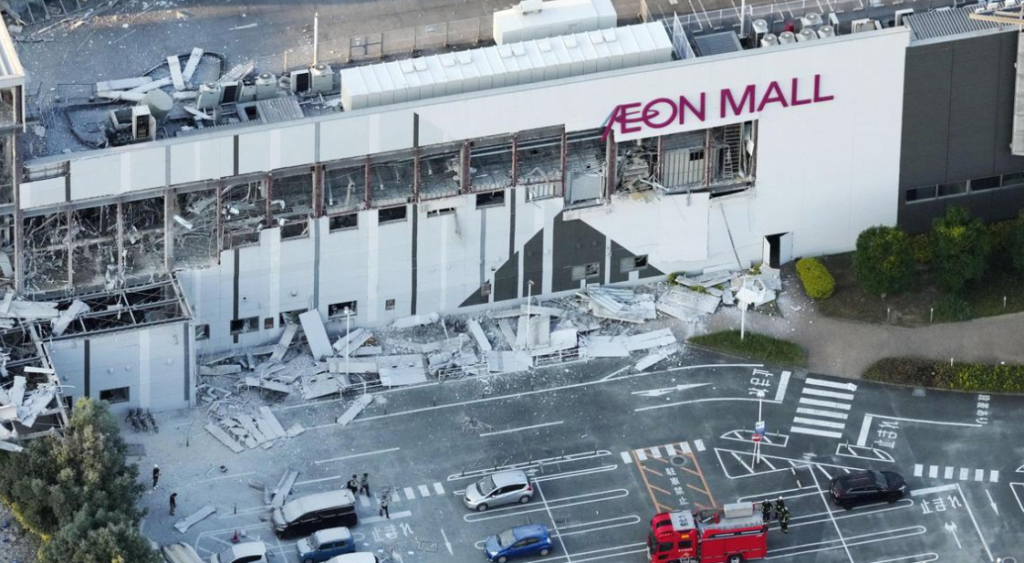
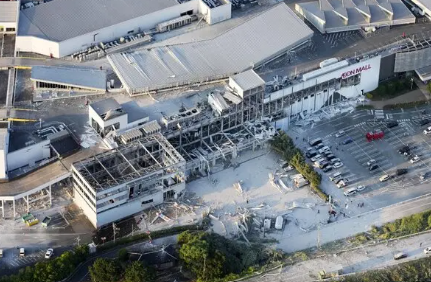
As news of the disaster spread worldwide, millions searched for updates about the Japan earthquake, making it one of the most talked-about global stories.
What Happened in Japan?
According to Japanese authorities, the earthquake struck southwestern Japan near Kumamoto Prefecture with a magnitude strong enough to cause widespread structural damage and trigger emergency disaster protocols.
Residents described violent shaking that lasted several seconds.
Furniture toppled.
Windows shattered.
Power lines swayed.
Roads cracked.
The tremors were felt across much of Kyushu Island, prompting frightened residents to rush outside while emergency alerts sounded on mobile phones and television broadcasts.
Japan’s advanced earthquake warning system activated almost instantly, giving many residents a few critical seconds to seek safety before the strongest shaking began.
Despite those warnings, the intensity of the earthquake left many communities struggling to respond to sudden destruction.
Panic Across Kumamoto
The city of Kumamoto experienced some of the strongest shaking.
Witnesses described scenes of confusion as people evacuated shopping centers, office buildings, schools, and apartment complexes.
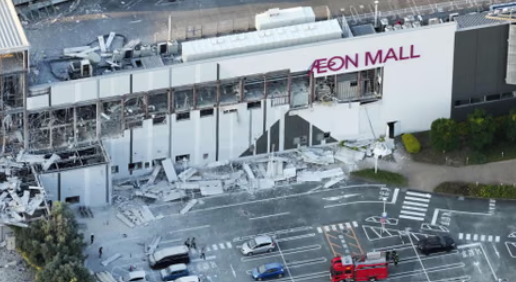
At one commercial complex, parts of the structure reportedly collapsed, trapping several individuals inside before emergency responders arrived.
Firefighters worked carefully to remove debris while rescue dogs searched for survivors.
Many residents spent the night outdoors, fearing powerful aftershocks could further weaken already damaged buildings.
Local officials quickly established emergency shelters equipped with food, blankets, drinking water, and medical assistance.
Families gathered at evacuation centers while authorities assessed the extent of damage throughout the prefecture.
Buildings Damaged, Infrastructure Disrupted
The latest earthquake Japan event caused extensive damage to public infrastructure.
Several roads developed visible cracks, making travel difficult for emergency vehicles.
Rail services across parts of Kyushu were temporarily suspended while engineers inspected tracks and bridges for structural damage.
Air travel also experienced delays as airport authorities conducted safety inspections.
Power outages affected thousands of households shortly after the quake, while water supply interruptions were reported in several communities.
Communication networks experienced temporary disruptions as emergency services managed an overwhelming number of calls.
Hospitals activated emergency response plans to prepare for incoming patients.
Medical teams treated victims suffering from injuries caused by falling debris, broken glass, collapsed walls, and panic-related accidents.
Rescue Operations Underway
Japan’s disaster response system moved into action almost immediately.
Thousands of firefighters, police officers, Self-Defense Forces personnel, and medical responders were deployed across affected areas.
Heavy machinery was brought to locations where buildings had partially collapsed.
Search-and-rescue teams equipped with specialized equipment worked through dangerous conditions to locate survivors trapped beneath debris.
Emergency helicopters transported critically injured victims to regional hospitals while additional rescue units continued searching damaged neighborhoods.
Officials stressed that every hour remains critical during rescue operations, particularly where structural collapses occurred.
Authorities urged residents to avoid damaged buildings to prevent additional injuries during aftershocks.
Tsunami Advisory Issued
Following the earthquake, Japanese authorities briefly issued a tsunami advisory for portions of the nearby coastline.
The warning prompted coastal residents to move to higher ground as a precaution.
Emergency officials monitored sea-level changes closely while maritime agencies tracked conditions across affected coastal areas.
Fortunately, no major tsunami developed, and authorities later lifted the advisory after determining that significant coastal flooding was unlikely.
Even so, officials reminded residents that strong offshore earthquakes can rapidly generate dangerous tsunami conditions and urged the public to continue following official alerts.
Why Japan Experiences So Many Earthquakes
The latest Japan earthquake today once again highlights why the country remains one of the world’s most seismically active regions.
Japan sits along the Pacific Ring of Fire, where several massive tectonic plates constantly interact.
These include the Pacific Plate, Philippine Sea Plate, Eurasian Plate, and North American Plate.
Their continuous movement creates enormous underground pressure.
When that pressure is suddenly released, earthquakes occur.
Japan experiences thousands of earthquakes every year.
Most are too small to cause damage.
However, larger earthquakes—such as the latest Kumamoto event—can produce devastating consequences despite Japan’s advanced engineering standards and disaster preparedness.
Because of this constant risk, Japanese buildings are designed with strict earthquake-resistant construction techniques intended to reduce casualties during major seismic events.
Government Responds Quickly
Japanese Prime Minister and senior government officials immediately activated national emergency response measures following the earthquake.
Disaster management agencies coordinated closely with local governments to deploy rescue personnel, medical supplies, and temporary shelters.
Authorities also instructed schools, hospitals, and public institutions to inspect buildings before allowing normal operations to resume.
Officials assured residents that restoring electricity, transportation, and communication services remained among the government’s highest priorities.
Engineers continue inspecting highways, railway systems, bridges, and public facilities to determine the full extent of structural damage.
Communities Face Long Recovery
While emergency responders focus on saving lives, attention is already shifting toward long-term recovery.
Experts say rebuilding damaged infrastructure could take months depending on the extent of destruction.
Insurance assessors have begun evaluating damaged homes and businesses.
Local governments are expected to announce financial assistance programs for affected residents once preliminary damage assessments are completed.
For many families, however, the emotional recovery may take much longer.
Children who experienced the terrifying shaking, families displaced from damaged homes, and business owners facing uncertain futures all confront significant challenges in the weeks ahead.
Global Attention Turns to Japan
News of the Japan earthquakes quickly dominated international headlines.
World leaders expressed solidarity with Japan while neighboring countries offered support if additional humanitarian assistance becomes necessary.
International disaster experts praised Japan’s sophisticated earthquake preparedness systems, noting that early warning technology and strict building regulations likely prevented an even greater tragedy.
Still, the disaster serves as another reminder that even the world’s best-prepared nations remain vulnerable to nature’s immense power.
As aftershocks continue to rattle parts of Kumamoto, millions of people across Japan remain on alert, hoping the worst is now behind them.
Japan Earthquake: Rescue Teams Continue Search as Aftershocks Keep Residents on Edge
As rescue operations entered another critical phase, emergency crews continued searching collapsed buildings and damaged neighborhoods across Kumamoto. Firefighters, police officers, and members of the Japan Self-Defense Forces worked around the clock, using heavy machinery, thermal imaging cameras, and trained rescue dogs to locate survivors trapped beneath debris.
Officials warned that strong aftershocks remained a serious concern. Several smaller tremors were recorded after the main quake, forcing rescue workers to temporarily pause operations in some areas due to fears of additional structural collapses.
The Japan Meteorological Agency (JMA) urged residents to remain vigilant, avoid damaged buildings, and prepare emergency supplies in case of further seismic activity.
Casualties and Damage Assessment
Authorities have confirmed multiple fatalities and dozens of injuries following the powerful Japan earthquake today, although officials cautioned that the numbers could change as rescue operations continue.
Hospitals across Kumamoto received patients suffering from injuries caused by falling debris, collapsing walls, broken glass, and panic during evacuations.
Local governments also reported:
- Damage to residential homes
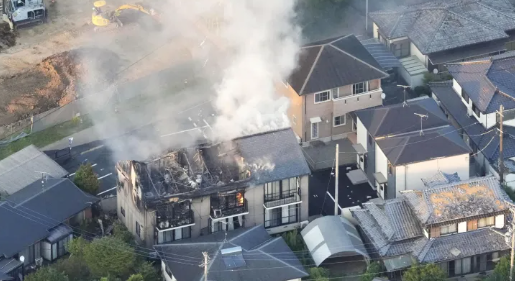
- Collapsed sections of commercial buildings
- Road cracks and landslides
- Temporary power outages
- Water supply interruptions
- Suspension of railway services
- Flight delays and transportation disruptions
Emergency shelters quickly filled with residents whose homes were damaged or deemed unsafe.
Relief organizations distributed drinking water, blankets, food supplies, hygiene kits, and medical assistance to displaced families.
Eyewitnesses Describe Moments of Terror
Residents across Kumamoto described terrifying scenes as the earthquake struck without warning.
One office worker said the entire building shook violently, causing computers and furniture to fall while employees rushed toward emergency exits.
A restaurant owner recalled dishes crashing to the floor as customers ran outside.
Parents described trying to shield their children while ceiling lights swung overhead.
Several witnesses said the shaking felt stronger than anything they had experienced in years.
Many residents spent the night outdoors or inside emergency shelters, fearing another powerful earthquake.
Some families remained inside their vehicles because they were too afraid to return to damaged homes.
Economic Impact of the Earthquake
Beyond the immediate humanitarian crisis, economists believe the earthquake Japan disaster could have significant financial consequences.
Manufacturing facilities across parts of Kyushu temporarily suspended operations while engineers inspected equipment and buildings for structural damage.
Local businesses suffered interruptions as shopping centers, restaurants, and offices remained closed for safety inspections.
Transportation disruptions also affected tourism, freight deliveries, and regional commerce.
Insurance companies have already begun processing claims for damaged homes, vehicles, and businesses.
Experts estimate that rebuilding roads, bridges, utilities, schools, and public facilities could require months of reconstruction efforts.
Why Kumamoto Remains One of Japan’s Most Seismically Active Regions
The latest disaster has renewed attention on Kumamoto’s geological location.
The prefecture lies near active fault systems that have produced several major earthquakes throughout history.
Many people still remember the devastating 2016 Kumamoto earthquakes, which killed dozens of people, injured thousands, and caused widespread destruction.
Although significant reconstruction followed those disasters, the latest earthquake demonstrates that seismic risks remain an unavoidable reality for the region.
Scientists continue monitoring underground fault activity to better understand future earthquake risks.
Japan’s Earthquake Preparedness Saves Lives
Despite the devastating impact of the latest Japan earthquake, experts say the country’s world-leading disaster preparedness likely prevented an even greater tragedy.
Japan has invested billions of dollars in earthquake resilience through:
- Earthquake-resistant buildings
- Nationwide early warning systems
- Strict construction standards
- Public disaster education
- Regular evacuation drills
- Advanced seismic monitoring networks
Seconds before the strongest shaking arrived, many residents received emergency alerts on smartphones and television broadcasts.
Those warnings provided valuable time for people to move away from windows, take cover beneath sturdy furniture, or evacuate vulnerable locations.
While no warning system can completely eliminate disaster risks, Japan’s preparedness remains among the world’s most advanced.
International Support and Global Reaction
Governments around the world expressed sympathy for Japan following the earthquake.
Several countries offered emergency assistance if requested, while international humanitarian organizations monitored the situation closely.
Messages of support poured in across social media from world leaders, celebrities, and citizens expressing solidarity with those affected.
Japan’s disaster response has long been viewed as a global model, and many experts praised the rapid coordination between national agencies, local governments, and emergency responders.
What Happens Next?
In the coming days, authorities will continue focusing on three major priorities:
Rescue Operations
Emergency teams will keep searching damaged structures until every affected area has been thoroughly examined.
Infrastructure Recovery
Utility companies will work to restore electricity, water, transportation, and communication services.
Damage Assessment
Engineers will inspect homes, schools, hospitals, bridges, and public buildings before residents are allowed to return.
Officials have also warned that aftershocks may continue for several days and urged residents to remain prepared.
Timeline of the Japan Earthquake
July 28, 2026
A powerful earthquake strikes Kumamoto Prefecture in southwestern Japan.
Minutes Later
Japan’s earthquake warning system activates.
Shortly After
Emergency responders begin rescue operations.
Tsunami Advisory
Authorities issue a temporary tsunami advisory before later lifting it.
Rescue Continues
Thousands of emergency personnel search damaged buildings while hospitals treat injured residents.
Ongoing
Aftershocks continue as engineers inspect infrastructure across affected communities.
Google Featured Snippet
What happened in the Japan earthquake today?
A powerful earthquake struck Kumamoto Prefecture in southwestern Japan on July 28, 2026, causing widespread damage, multiple fatalities, injuries, transportation disruptions, and temporary tsunami advisories. Emergency rescue operations remain ongoing while authorities monitor aftershocks and assess infrastructure damage.
Google FAQs
What caused the Japan earthquake today?
Japan sits along the Pacific Ring of Fire, where several tectonic plates constantly move against one another. This geological activity makes Japan one of the world’s most earthquake-prone countries.
Where did the Japan earthquake happen?
The earthquake struck Kumamoto Prefecture on Japan’s Kyushu Island.
How strong was the Japan earthquake?
Authorities reported the earthquake at magnitude 7.1, making it one of the strongest seismic events to hit the region in recent years.
Was there a tsunami after the earthquake?
A tsunami advisory was issued shortly after the earthquake but was later lifted after authorities determined that a major tsunami was not expected.
Why does Japan experience so many earthquakes?
Japan lies on the Pacific Ring of Fire, where multiple tectonic plates meet, creating frequent seismic activity.
Are aftershocks expected?
Yes. Experts say aftershocks are common following major earthquakes and may continue for days or even weeks.
What is the Japan Meteorological Agency?
The Japan Meteorological Agency (JMA) monitors earthquakes, tsunamis, volcanoes, and weather conditions throughout the country.
Is Kumamoto safe after the earthquake?
Authorities continue inspecting damaged buildings and urge residents to follow evacuation orders and official safety guidance until inspections are complete.
How does Japan prepare for earthquakes?
Japan uses advanced early warning systems, earthquake-resistant construction, emergency drills, and public education to reduce the impact of major earthquakes.
What should people do during an earthquake?
Emergency officials recommend taking cover under sturdy furniture, staying away from windows, protecting your head, and following official evacuation instructions after the shaking stops.
Conclusion
The latest Japan earthquake has once again demonstrated both the immense power of nature and Japan’s remarkable resilience. While the earthquake caused tragic loss of life, widespread damage, and significant disruption across Kumamoto, the country’s advanced disaster preparedness helped reduce the overall impact.
As emergency crews continue rescue efforts and communities begin the long road to recovery, the focus remains on supporting affected families, restoring essential services, and ensuring public safety.
For millions around the world following the Japan earthquake today, the disaster serves as a reminder of the importance of preparedness in one of the most seismically active regions on Earth.