Meta Title: Freddy Cannon Dies at 89: 1950s Rock Star and ‘Palisades Park’ Singer Remembered
Meta Description: Freddy Cannon, the legendary 1950s rock star and ‘Palisades Park’ singer, has died at 89. Read about his life, career, biggest hits, and lasting impact on rock and roll.
Focus Keywords: Freddy Cannon death, 1950s rock star Freddy Cannon, Freddy Cannon dies at 89, Palisades Park singer, Tallahassee Lassie singer
Freddy Cannon Dies at 89: The 1950s Rock Star Who Helped Shape Rock and Roll
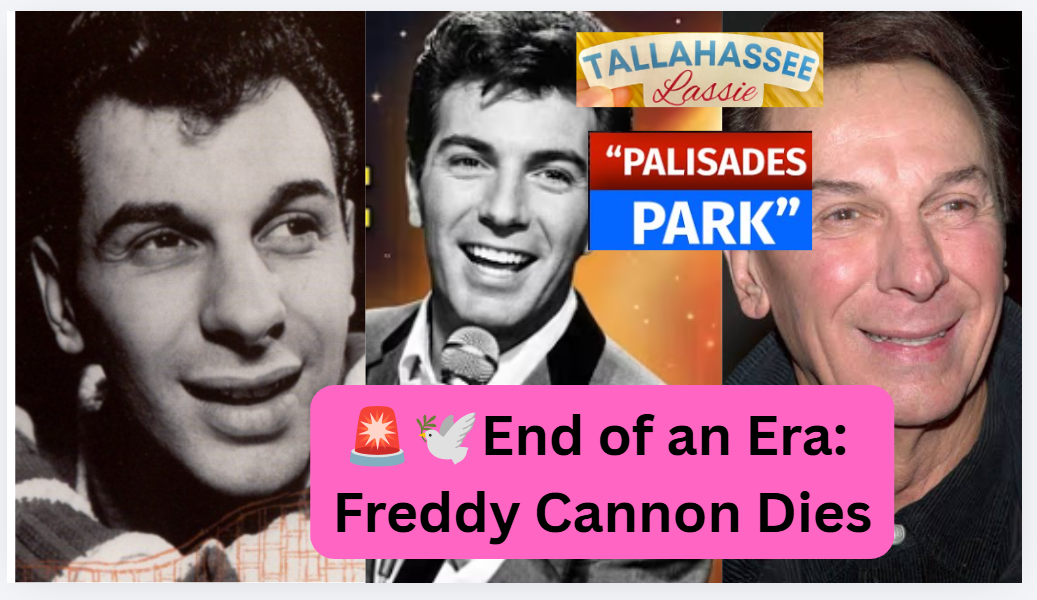
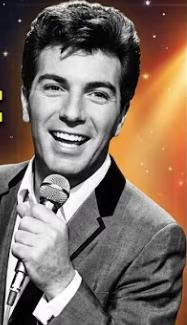
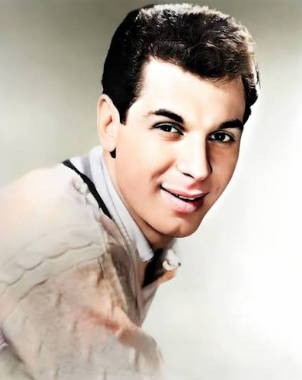
The music world is mourning the loss of one of rock and roll’s earliest trailblazers. Freddy Cannon, the energetic performer whose explosive hits helped define the golden age of American rock music, has died at the age of 89. The legendary 1950s rock star Freddy Cannon, affectionately known to generations of fans as “Boom Boom” Cannon, passed away on July 17, 2026, in Oxnard, California, after a brief battle with cancer.
News of the Freddy Cannon death has sparked an outpouring of tributes from fellow musicians, entertainment figures, and lifelong fans who remember his electrifying stage presence and unforgettable songs. Best known as the ‘Palisades Park’ singer and the voice behind “Tallahassee Lassie,” Cannon leaves behind a remarkable musical legacy that helped lay the foundation for modern rock and pop music.
His passing marks the end of an era, closing the chapter on one of the last surviving stars from rock and roll’s revolutionary first generation.
A Pioneer of the Rock and Roll Revolution
Born Frederick Anthony Picariello Jr. on December 4, 1936, in Revere, Massachusetts, Freddy Cannon developed a passion for music at a young age. Inspired by rhythm and blues, country music, and the emerging sounds of early rock and roll, he began performing as a teenager before catching the attention of record producers.
At a time when artists like Elvis Presley, Chuck Berry, Little Richard, Buddy Holly, and Jerry Lee Lewis were transforming American music, Cannon carved out his own unique identity with an energetic vocal style, catchy melodies, and infectious enthusiasm.
Unlike many performers of the era, Cannon’s performances were fueled by relentless energy. His nickname, “Boom Boom,” perfectly reflected the powerful rhythm and excitement he brought to every recording and live show.
Music historians often credit him as one of the artists who helped bridge the gap between the first wave of rock and roll and the pop music explosion of the 1960s.
“Tallahassee Lassie” Turned Freddy Cannon Into a National Star
Freddy Cannon’s breakthrough arrived in 1959 with “Tallahassee Lassie.”
The song quickly climbed the Billboard charts, becoming one of the defining records of the late 1950s. With its pounding beat, unforgettable chorus, and Cannon’s energetic vocals, the single became an instant favorite among teenagers across America.
Radio stations played it relentlessly.
Dance halls embraced it.
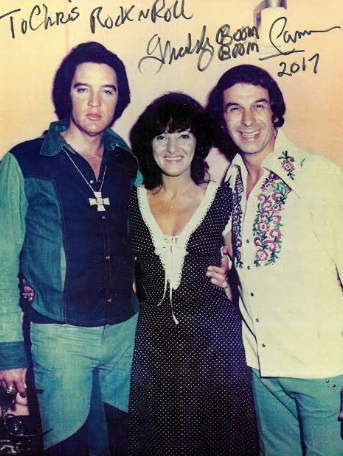
Television audiences couldn’t get enough of the charismatic young performer.
As the Tallahassee Lassie singer, Freddy Cannon established himself as one of the brightest new faces in rock and roll. The song’s success opened doors to national television appearances, extensive touring, and a string of future hit records.
More importantly, it proved that Cannon possessed staying power in an industry evolving at breakneck speed.
The Song That Made Him a Legend: “Palisades Park”
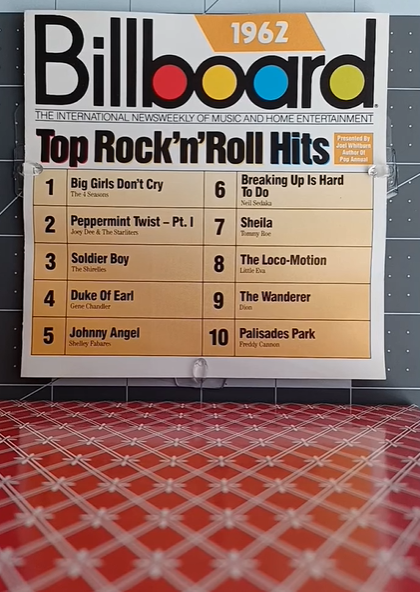
If one song forever defined Freddy Cannon’s career, it was undoubtedly “Palisades Park.”
Released in 1962, the upbeat anthem celebrated one of America’s most beloved amusement parks and captured the carefree spirit of youth during the early 1960s.
Written by Chuck Barris—who would later become famous as the creator of television game shows including The Dating Game—the song became Cannon’s biggest commercial success.
Filled with carnival sound effects, infectious rhythms, and vivid storytelling, “Palisades Park” reached the upper reaches of the Billboard charts and remains one of the most recognizable rock songs of its era.
Even today, decades after its release, the song continues to appear in films, television programs, commercials, and nostalgic playlists.
For millions of fans around the world, Freddy Cannon will forever be remembered as the ‘Palisades Park’ singer, whose joyful voice captured the excitement of American youth culture.
More Than Just One Hit
Although many casual listeners associate Cannon primarily with “Palisades Park,” his career included numerous successful recordings.
Among his most popular songs were:
- Action
- Buzz Buzz A-Diddle-It
- Way Down Yonder in New Orleans
- Abigail Beecher
- Transistor Sister
- Teen Queen of the Week
Each showcased Cannon’s signature style—high-energy vocals, memorable hooks, and dance-friendly rhythms that appealed to audiences of all ages.
His music frequently crossed genres, blending rock and roll with pop influences while maintaining the raw excitement that defined the era.
A Favorite on American Television
Freddy Cannon became one of television’s most recognizable music stars during the late 1950s and early 1960s.
He made dozens of appearances on Dick Clark’s American Bandstand, one of the country’s most influential music programs.
The show introduced Cannon to millions of American teenagers, helping transform him into a household name.
His relationship with Dick Clark extended beyond television appearances. Clark admired Cannon’s charisma and frequently invited him back, recognizing his ability to energize audiences.
Many music historians believe these television appearances played a major role in sustaining Cannon’s popularity during rock and roll’s rapidly changing landscape.
The Freddy Cannon Death Leaves Fans Heartbroken
Following confirmation of the Freddy Cannon death, social media platforms quickly filled with tributes.
Fans shared memories of dancing to “Palisades Park,” discovering his music through their parents, and attending his concerts over the decades.
Fellow musicians praised Cannon not only for his contributions to rock history but also for his generosity, humor, and enduring love of performing.
Many artists credited him with inspiring future generations of performers.
Music historians described Cannon as one of the last living links to the birth of modern rock and roll.
His death represents more than the loss of a singer—it symbolizes the fading of an extraordinary musical generation that transformed global popular culture.
A Career That Spanned Nearly Seven Decades
Unlike many artists whose fame faded after the early rock era, Freddy Cannon remained active throughout much of his life.
He continued performing at nostalgia concerts, rock-and-roll festivals, charity events, and music celebrations well into his later years.
Fans admired his willingness to reconnect with audiences regardless of venue size.
Whether performing before thousands or entertaining intimate gatherings, Cannon’s enthusiasm rarely diminished.
His performances became living celebrations of rock history.
For younger generations, seeing Freddy Cannon live offered a rare opportunity to experience one of the pioneers who helped create the soundtrack of postwar America.
An Enduring Musical Legacy
The influence of 1950s rock star Freddy Cannon extends far beyond his chart positions.
His music helped inspire countless artists who followed, contributing to the development of rock, pop, and even early punk music.
Songs like “Palisades Park” remain staples of classic oldies radio stations worldwide, introducing new listeners to Cannon’s unmistakable sound.
As streaming services continue bringing classic recordings to younger audiences, Freddy Cannon’s work continues reaching fans who were born decades after his biggest hits topped the charts.
His recordings remain timeless reminders of an optimistic era when rock and roll changed music forever.
Freddy Cannon’s Final Years and Cause of Death
The news of Freddy Cannon dies at 89 has resonated far beyond the rock-and-roll community. According to his family and representatives, the legendary performer passed away on July 17, 2026, in Oxnard, California, after a brief battle with cancer.
While Cannon had largely stepped away from the demanding touring schedule of his younger years, he remained deeply connected to music. Friends often described him as optimistic, energetic, and grateful for the generations of fans who continued to celebrate his work.
His passing marks the loss of another iconic figure from rock and roll’s pioneering generation—a group of artists who transformed popular music and inspired countless musicians across decades.
Unlike many entertainers whose influence fades over time, Cannon’s songs continued to receive radio airplay, appear in television programs, and feature in nostalgic playlists around the world. His music remained as vibrant as ever, reminding listeners of a time when rock and roll represented youthful freedom, excitement, and cultural change.
Tributes Pour In Following Freddy Cannon’s Death
Following confirmation of the Freddy Cannon death, musicians, broadcasters, historians, and longtime fans paid tribute to the beloved singer.
Social media quickly filled with messages celebrating Cannon’s remarkable career. Fans shared memories of hearing “Palisades Park” on the radio, dancing to “Tallahassee Lassie,” and watching his unforgettable performances on television during rock’s golden era.
Music historians praised Cannon for helping shape the sound of late-1950s and early-1960s rock and roll.
Many described him as one of the last true ambassadors of the original rock movement, whose recordings captured the optimism and energy of post-war America.
Several classic-rock radio stations dedicated special programming to his greatest hits, while entertainment publications revisited his extraordinary journey through one of music’s most transformative periods.
Freddy Cannon’s Lasting Impact on Rock Music
Although newer generations often associate rock history with artists from later decades, Freddy Cannon helped establish many of the foundations upon which modern popular music was built.
His signature style blended energetic vocals, infectious rhythms, and memorable melodies that encouraged audiences to dance, sing, and celebrate.
Music experts frequently credit Cannon with helping popularize upbeat teenage rock music during a period when the genre was still defining itself.
His influence can be heard in generations of artists who followed—from garage rock bands of the 1960s to modern classic-rock performers who continue embracing the spirit of early American rock and roll.
Even today, songs like “Palisades Park” remain staples on oldies stations and streaming playlists, introducing new listeners to Cannon’s unmistakable sound.
Freddy Cannon Career Timeline
1936
Born Frederick Anthony Picariello Jr. in Revere, Massachusetts.
1959
Released “Tallahassee Lassie,” becoming one of America’s fastest-rising rock-and-roll stars.
1960–1961
Continued chart success with several hit singles and national television appearances.
1962
Released “Palisades Park,” which became his biggest career hit and one of the defining songs of the early 1960s.
1960s–1980s
Maintained an active recording and touring career while remaining a favorite on oldies radio.
1990s–2020s
Performed at nostalgia concerts, rock festivals, and charity events, delighting longtime fans.
July 17, 2026
Freddy Cannon died at age 89 after a brief battle with cancer.
Why Freddy Cannon Still Matters Today
In today’s music industry, where trends often change overnight, Freddy Cannon’s career stands as a reminder of the lasting power of timeless songs.
His recordings continue to reach millions through streaming platforms, classic-rock radio, documentaries, and films celebrating American music history.
The enduring popularity of “Palisades Park” proves that great music can transcend generations.
Young listeners continue discovering Cannon’s work decades after its original release, ensuring that his influence will remain alive long after his passing.
His legacy extends beyond commercial success—it represents the birth of an era that forever changed global popular culture.
Remembering the ‘Palisades Park’ Singer
For many fans, Freddy Cannon will always be remembered as the smiling performer whose voice captured the joy and excitement of early rock and roll.
His concerts were known for their energy.
His recordings celebrated youth, optimism, and fun.
His personality reflected the same warmth audiences saw on stage.
Whether introducing audiences to carnival adventures in “Palisades Park” or bringing southern charm to “Tallahassee Lassie,” Cannon created songs that remain part of America’s musical identity.
His remarkable career reminds us that music has the power to unite generations through shared memories and unforgettable melodies.
Google Snippet
Who was Freddy Cannon?
Freddy Cannon was an American rock-and-roll singer best known for hit songs including “Palisades Park” and “Tallahassee Lassie.” Rising to fame in the late 1950s and early 1960s, he became one of the defining performers of early rock music. Cannon died on July 17, 2026, at the age of 89 after a brief battle with cancer.
Google FAQs
Who was Freddy Cannon?
Freddy Cannon was an American rock-and-roll singer famous for classic hits including “Palisades Park” and “Tallahassee Lassie.” He became one of the biggest stars of the late 1950s and early 1960s.
How did Freddy Cannon die?
Freddy Cannon died on July 17, 2026, at the age of 89 after a brief battle with cancer, according to his representatives.
How old was Freddy Cannon?
Freddy Cannon was 89 years old at the time of his death.
What was Freddy Cannon’s biggest hit?
His most successful recording was “Palisades Park,” released in 1962.
Why was Freddy Cannon called “Boom Boom”?
The nickname reflected his energetic singing style and powerful stage performances that became his trademark.
What songs made Freddy Cannon famous?
His best-known songs include:
- Palisades Park
- Tallahassee Lassie
- Action
- Buzz Buzz A-Diddle-It
- Way Down Yonder in New Orleans
Where did Freddy Cannon die?
He died in Oxnard, California, United States.
What made Freddy Cannon important?
Freddy Cannon helped popularize early rock and roll and became one of the defining performers of the genre during the late 1950s and early 1960s.
Did Freddy Cannon continue performing later in life?
Yes. He remained active for decades, regularly appearing at classic-rock concerts, nostalgia festivals, and charity events.
What is Freddy Cannon’s legacy?
Freddy Cannon leaves behind a lasting legacy as one of rock and roll’s earliest stars. His music continues to inspire musicians and entertain audiences worldwide.
Final Thoughts
The Freddy Cannon death marks the end of a remarkable chapter in music history. As one of the most recognizable voices of early rock and roll, the 1950s rock star Freddy Cannon helped define an era with unforgettable performances and timeless songs.
From becoming the beloved “Tallahassee Lassie” singer to achieving worldwide recognition as the “Palisades Park” singer, Cannon’s influence stretched far beyond the charts. His music became part of the soundtrack of American life, inspiring generations of artists and listeners alike.
Although he is no longer with us, Freddy Cannon’s songs will continue to echo through classic-rock radio, streaming platforms, and the memories of millions of fans. His legacy is not only measured by the hits he created but by the joy, energy, and spirit he brought to rock and roll—a legacy that will endure for generations to come.