
Britain has approved Paramount Skydance’s $110 billion takeover of Warner Bros. Discovery, removing a major regulatory hurdle. Here’s what it means for Hollywood.
Britain Clears Paramount Skydance’s $110 Billion Warner Bros. Discovery Takeover. But One Major Obstacle Still Remains.
Hollywood’s biggest media merger just cleared one of its most significant regulatory hurdles.
The British government has officially approved Paramount Skydance’s proposed $110 billion acquisition of Warner Bros. Discovery, ending weeks of uncertainty over whether UK regulators would intervene on media plurality grounds. The decision marks a major victory for Paramount CEO David Ellison, whose company is attempting to create one of the world’s largest entertainment groups by combining legendary film studios, streaming platforms, and global television networks. (Reuters)
However, despite the UK’s green light, the blockbuster transaction is not yet complete. A legal challenge led by several U.S. states continues to threaten the merger, meaning Hollywood’s biggest corporate reshaping in decades still faces one final—and potentially decisive—test. (Reuters)
A Major Win for Paramount Skydance
The approval from the UK government removes what many analysts considered one of the deal’s biggest international uncertainties.
Earlier this summer, British Culture Secretary Lisa Nandy signaled that the government was considering intervening over concerns that combining major news organizations and television assets under one owner could reduce media plurality in the United Kingdom. Those concerns centered on the future ownership of outlets including Channel 5, as well as the broader influence of global news brands associated with the combined company. (UK Parliament)
Instead of launching a lengthy public-interest investigation, the UK accepted legally binding commitments from Paramount. Those commitments include preserving editorial independence for certain UK operations and maintaining separate editorial identities for affected news and children’s television services. The Competition and Markets Authority also concluded that the merger would not substantially reduce competition in key media markets. (Reuters)
Why This Deal Matters
If completed, the acquisition would dramatically reshape the global entertainment industry.
The combined company would bring together an extraordinary portfolio of media assets, including:
- Warner Bros. Pictures
- HBO and HBO Max
- CNN
- DC Studios
- Paramount Pictures
- Paramount+
- CBS
- Nickelodeon
- Showtime
- MTV
- Comedy Central
Together, those brands represent one of the largest collections of film, television, streaming, and news businesses anywhere in the world. The merger would significantly expand Paramount Skydance’s reach in theatrical releases, streaming, sports, news, and international television. (The Washington Post)


David Ellison’s Biggest Bet Yet
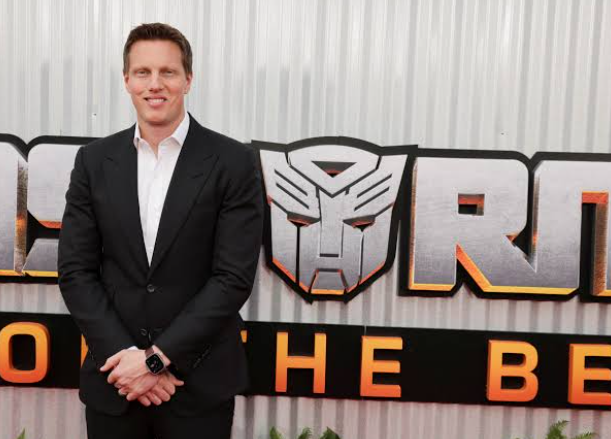
At the center of the deal is David Ellison, the CEO of Paramount Skydance.
Ellison has argued that combining Paramount and Warner Bros. Discovery would strengthen competition in an increasingly crowded entertainment market dominated by global streaming giants. U.S. antitrust regulators previously reached a similar conclusion when the Department of Justice cleared the transaction, stating that the merger was unlikely to harm competition or consumers. (CBS News)
Supporters believe the merger would give Paramount greater scale to compete for subscribers, invest in original programming, and expand internationally.
Critics, however, worry that further consolidation could reduce competition and concentrate ownership of influential media brands.
The Biggest Hurdle Is No Longer in Britain
While Britain’s approval removes one important obstacle, the transaction still faces a significant legal battle in the United States.
A coalition of 12 U.S. states, led by California, has challenged the merger on antitrust grounds. That lawsuit remains the most significant barrier preventing the companies from finalizing the acquisition. A trial is currently expected in 2027, unless the dispute is resolved sooner. (Page Six)
Until then, Paramount continues to work toward closing the deal while satisfying regulatory and legal requirements across multiple jurisdictions.
What Happens Next?
With approvals now secured in the UK, European Union, and several other jurisdictions, the focus shifts almost entirely to the remaining U.S. legal proceedings. (Paramount)
If Paramount ultimately prevails, the merger could become one of the most transformative media deals in modern entertainment history—reshaping how movies, streaming platforms, television networks, and news organizations operate under a single corporate umbrella.
What the Merger Could Mean for HBO, CNN, CBS, and Paramount+
If the acquisition is completed, the combined company would control one of the largest collections of entertainment brands in the world. Industry analysts believe the merger could reshape everything from streaming services to traditional television networks.
Among the companies expected to operate under the new corporate structure are:
- Warner Bros. Pictures
- HBO
- Max
- CNN
- DC Studios
- Paramount Pictures
- CBS
- Paramount+
- Nickelodeon
- MTV
- Comedy Central
- Showtime
- Channel 5 (UK)
Together, these brands reach hundreds of millions of viewers across television, streaming, film, and digital platforms.
Supporters argue that combining these assets would allow the company to invest more heavily in blockbuster films, premium television series, sports rights, and global streaming expansion. Critics, however, caution that greater consolidation could reduce competition within the entertainment industry.
Why the UK Approved the Deal
The British government’s decision followed months of regulatory scrutiny.
Officials examined whether combining such major media companies could reduce editorial independence or harm media plurality within the United Kingdom.
Ultimately, Paramount Skydance offered legally binding commitments addressing those concerns.
According to UK officials, the company agreed to maintain editorial independence for affected news operations and preserve existing broadcasting standards, helping regulators conclude that the acquisition would not create unacceptable public-interest risks.
Hollywood Is Entering a New Consolidation Era
The entertainment business has changed dramatically over the past decade.
The rapid rise of Netflix, Disney+, Amazon Prime Video, Apple TV+, and other streaming platforms has intensified competition for subscribers.
Major studios are increasingly looking toward mergers, partnerships, and acquisitions to achieve greater scale and reduce operating costs.
If finalized, the Paramount Skydance–Warner Bros. Discovery combination would become one of the largest entertainment companies ever assembled.
Industry observers believe the merged company could compete more aggressively in:
- Streaming
- Film production
- Sports broadcasting
- International television
- News programming
- Advertising
- Digital media
Many analysts view the transaction as part of Hollywood’s broader effort to adapt to changing consumer viewing habits and increasing production costs.
Investors Closely Watching the Remaining Legal Battle
Although Britain has approved the transaction, investors remain focused on the ongoing legal challenge in the United States.
Several U.S. states continue to argue that the merger could reduce competition within important segments of the media industry.
Until that litigation concludes—or the companies reach another resolution—the acquisition cannot be fully completed.
For shareholders, employees, and content creators, the outcome will help determine the future structure of one of the world’s most influential entertainment companies.
What This Means for Viewers
For most viewers, there are unlikely to be immediate changes.
However, if the merger closes successfully, audiences could eventually see:
- Expanded streaming libraries
- More bundled subscription offerings
- Increased investment in original programming
- Greater collaboration between Warner Bros. and Paramount franchises
- Possible operational restructuring across television and streaming services
Executives have emphasized that improving the customer experience and strengthening streaming competitiveness remain key priorities.
Google Snippet
Why did Britain approve Paramount Skydance’s acquisition of Warner Bros. Discovery?
The UK government approved Paramount Skydance’s proposed $110 billion acquisition of Warner Bros. Discovery after accepting legally binding commitments designed to protect editorial independence and media plurality. The decision removes a major regulatory hurdle, although the merger still faces legal challenges in the United States.

Google FAQs
What did the British government approve?
The UK approved Paramount Skydance’s proposed $110 billion acquisition of Warner Bros. Discovery, subject to commitments addressing public-interest concerns.
Is the merger officially complete?
No. While Britain has approved the deal, legal proceedings in the United States are still ongoing.
Why is the deal significant?
The merger would create one of the world’s largest entertainment companies, bringing together Warner Bros., HBO, CNN, Paramount Pictures, CBS, Paramount+, and several other major brands.
Who leads Paramount Skydance?
The company is led by David Ellison, who has positioned the merger as a strategy to strengthen global competition in streaming and entertainment.
Why did UK regulators approve the transaction?
Officials accepted legally binding commitments aimed at protecting editorial independence and media plurality.
Could the merger still fail?
Yes. Ongoing legal challenges in the United States could still affect whether the acquisition ultimately closes.
What companies would be part of the combined business?
The combined company would include Warner Bros. Pictures, HBO, Max, CNN, Paramount Pictures, CBS, Paramount+, Nickelodeon, MTV, Showtime, Comedy Central, and several other media brands.
Will viewers notice immediate changes?
No immediate consumer changes have been announced. Any operational or streaming changes would likely occur only after the transaction is completed.
Why is Hollywood seeing more mergers?
Media companies are seeking greater scale to compete in the increasingly competitive streaming market.
When could the merger be finalized?
There is no confirmed completion date. The timing depends largely on the outcome of the remaining U.S. legal proceedings.
Final Thoughts
The British government’s approval represents a pivotal moment for Paramount Skydance’s $110 billion takeover of Warner Bros. Discovery, removing one of the transaction’s most closely watched international regulatory hurdles.
Yet the story is far from over. With significant legal challenges still pending in the United States, the future of one of Hollywood’s biggest-ever mergers remains uncertain. If the deal ultimately proceeds, it could redefine the competitive landscape of global entertainment, bringing together some of the industry’s most recognizable studios, television networks, and streaming platforms under a single corporate umbrella.
Whether this ambitious merger becomes a blueprint for the next era of media consolidation—or encounters further obstacles—will be closely watched by investors, regulators, creators, and audiences around the world.