
Is Trump Going to Completely Destroy Iran? Here’s What We Know So Far
For millions of people around the world, one question has suddenly become impossible to ignore:
Is America going to completely destroy Iran?
It’s the kind of headline that immediately grabs attention. Social media is flooded with dramatic videos, political commentary, and alarming claims. News alerts arrive by the minute, each painting a picture of a Middle East that appears closer to a wider conflict than it has been in years.
But behind the sensational headlines lies a far more complicated reality.
The Iran America war is not a conventional war in the traditional sense. Instead, it is a dangerous mix of military strikes, political pressure, intelligence operations, cyber warfare, regional alliances, and diplomatic maneuvering. Every new development has the potential to change the balance overnight, making this one of the most closely watched geopolitical crises in the world.
For ordinary people, however, the concern is simple: Could this crisis spiral into something much bigger?
A Region Holding Its Breath
Across the America & Middle East relationship, tensions have reached levels not seen in years.
Recent military actions, retaliatory threats, and increasingly aggressive political rhetoric have reignited fears of a broader regional conflict. Governments are monitoring every move, financial markets react to every headline, and energy analysts are watching oil prices with growing concern.
Even a single military strike can trigger a chain reaction that affects countries thousands of miles away.
That is why the latest developments are no longer just a regional story—they have become a global one.
Why Everyone Is Searching “America Destroyed Iran”
Search engines have seen a surge in searches for phrases such as “America destroyed Iran“, “Iran America war”, and “America & Middle East.”
The reason is understandable.
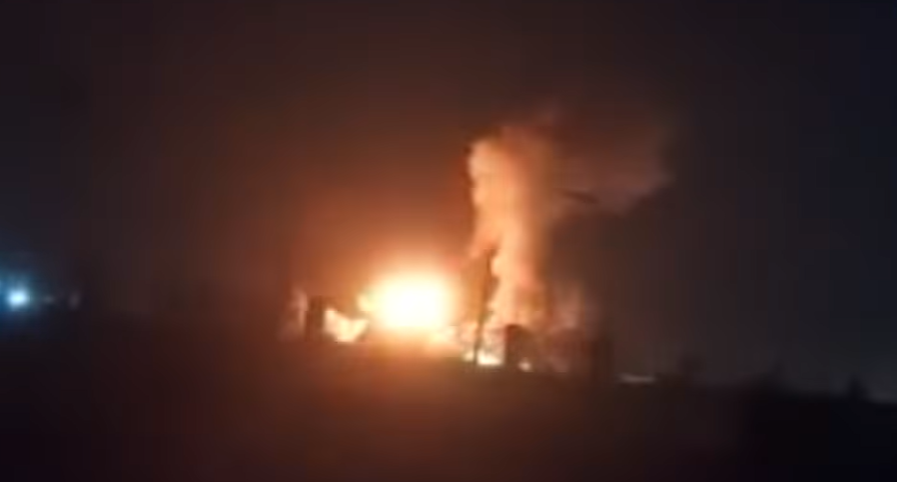
Whenever military action makes headlines, speculation spreads even faster than verified information. Short video clips, edited images, and dramatic social media posts often create the impression that a full-scale war is already underway.
The reality is more nuanced.
While military operations have increased tensions, there is no verified evidence that the United States has announced a policy of completely destroying Iran as a nation. Analysts instead describe the current situation as a high-risk period of escalation in which both sides are trying to project strength while avoiding an uncontrolled regional war.
That distinction matters.
Why Iran Matters So Much
To understand why the world is paying such close attention, it’s important to understand Iran’s strategic position.
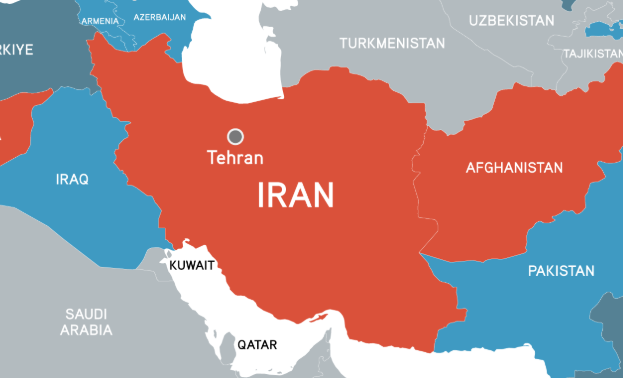
Iran sits at the heart of one of the world’s most important geopolitical regions. It has vast energy resources, a large population, significant military capabilities, and influence through regional partners and allies.
Just as importantly, Iran borders key waterways that are vital to global trade and oil shipments. Any disruption in this region can ripple across international markets within hours.
This is why every escalation between Washington and Tehran quickly becomes an international concern rather than simply a dispute between two countries.
America’s Goals in the Middle East
For decades, the United States has maintained a major presence in the Middle East.
Its priorities have generally included:
- Protecting international shipping routes.
- Supporting long-standing regional allies.
- Countering armed groups viewed as threats.
- Preventing the spread of advanced weapons.
- Promoting stability in a region that has experienced repeated conflicts.
These goals explain why American military activity in the region often attracts intense global attention.
However, military capability and political objectives are not always the same thing. A country may possess overwhelming military strength without seeking total war.
Could This Crisis Become a Full-Scale War?
That is the question military experts are debating every day.
A direct, prolonged conflict between the United States and Iran would be unlike many previous military engagements. Both sides possess different strengths, and any escalation could draw in regional allies, affecting countries across the Middle East.
Experts warn that even if neither government seeks a large-scale war, miscalculations, accidental escalation, or retaliatory attacks could rapidly widen the conflict.
History has shown that geopolitical crises can evolve much faster than policymakers anticipate.
The Economic Shockwaves Have Already Begun
Even before any wider conflict, the global economy has started reacting.
Oil prices often rise whenever tensions increase in the Middle East because investors worry about possible disruptions to energy supplies. Airlines may adjust flight paths, shipping companies reconsider routes, and financial markets become more volatile.
For consumers, that can eventually translate into higher fuel costs, increased transportation expenses, and rising prices for everyday goods.
In today’s interconnected world, a conflict thousands of miles away can affect household budgets almost anywhere.
Separating Facts From Fear
Perhaps the biggest challenge during any international crisis is distinguishing verified information from speculation.
Social media rewards speed, not always accuracy. Viral posts often spread before official statements are released, and dramatic headlines can create confusion about what has actually happened.
That is why readers should rely on multiple credible sources and remain cautious about claims that are not supported by evidence.
The question “Is America going to completely destroy Iran?” reflects genuine public anxiety, but it should not be confused with established fact.
What is clear is that tensions remain high, diplomacy faces significant challenges, and the coming weeks could play an important role in determining whether the crisis moves toward further confrontation—or renewed efforts to reduce tensions.
Here’s Part 2, continuing seamlessly from Part 1 in the same reader-friendly, journalistic style.
What Happens If the Conflict Gets Worse?
The biggest fear among world leaders isn’t just another exchange of military strikes—it’s the possibility of a conflict that spreads across the Middle East.
Unlike many regional disputes, tensions between the United States and Iran have the potential to affect several countries at once. A wider conflict could involve regional allies, disrupt critical shipping routes, and create fresh security challenges across the region.
One of the world’s most important maritime chokepoints, the Strait of Hormuz, lies close to Iran. A significant portion of global oil exports passes through these waters every day. Even concerns about instability in this area can send energy prices climbing and shake investor confidence worldwide.
That is why governments across Europe, Asia, and the Gulf continue calling for restraint. No major economy wants to see another prolonged conflict disrupt global trade.
The Human Cost Is Often Forgotten
When headlines focus on missiles, military hardware, and political speeches, it’s easy to lose sight of who suffers the most.
History has repeatedly shown that civilians bear the greatest burden during armed conflicts. Families face displacement, schools and hospitals come under pressure, businesses struggle to survive, and uncertainty becomes part of everyday life.
For millions of people across the Middle East, the hope is not for military victory by either side—but for a return to stability.
The Ripple Effect on the Global Economy
Many people assume that a conflict in the Middle East only affects countries in the region. In reality, its economic consequences can be felt almost everywhere.
If tensions continue to rise, several industries could face immediate challenges:
- Energy markets: Oil and gas prices could become more volatile.
- Air travel: Airlines may reroute flights to avoid conflict zones, increasing travel times and operating costs.
- Shipping: Delays in major trade routes could affect supply chains.
- Financial markets: Investors often move toward safer assets during periods of geopolitical uncertainty.
- Consumer prices: Higher transportation and energy costs can eventually increase the price of everyday goods.
This is why the America & Middle East relationship matters far beyond politics. Decisions made in Washington or Tehran can influence economies thousands of miles away.
Can Diplomacy Still Change the Course?
Despite the sharp rhetoric and military activity, diplomacy has not disappeared.
Throughout modern history, periods of intense confrontation have often been followed by negotiations behind closed doors. Even when public statements sound uncompromising, diplomatic channels frequently remain active.
Many international leaders continue to urge both sides to avoid actions that could trigger a broader regional war. While progress can be slow, dialogue remains one of the few tools capable of reducing tensions without further violence.
Whether diplomacy succeeds will depend on political decisions, regional developments, and the willingness of all parties to prevent further escalation.
What Security Experts Are Saying
Most security analysts agree on one important point: the situation remains highly unpredictable.
Some believe the recent escalation is intended to strengthen deterrence rather than begin a full-scale war. Others warn that repeated military actions increase the risk of miscalculation, where one unexpected event could trigger a much larger confrontation.
There is also broad agreement that neither side would emerge from a prolonged conflict without significant costs. Beyond military considerations, any wider war would likely carry serious economic, diplomatic, and humanitarian consequences.
That is why experts continue to emphasize caution over speculation.
Why the Phrase “America Destroyed Iran” Is Misleading
Searches for “America destroyed Iran” have surged online, largely driven by dramatic social media posts and sensational headlines.
However, readers should distinguish between viral claims and verified information.
Military strikes against specific facilities or strategic targets are not the same as the destruction of an entire country. The phrase has become popular as a search term, but it does not accurately describe the current situation.
Using verified information rather than online rumors is essential when following fast-moving international events.
What Comes Next?
No one can predict exactly how the coming weeks or months will unfold.
Several scenarios remain possible:
- Diplomatic efforts could ease tensions and reduce the risk of further conflict.
- Limited military exchanges could continue without expanding into a regional war.
- A major miscalculation could increase instability and draw additional countries into the crisis.
Each possibility carries different consequences, making this one of the most closely watched geopolitical stories in the world.
For now, governments, financial markets, and millions of ordinary people are watching every development with growing attention.
Final Thoughts
The question “Is America going to completely destroy Iran?” reflects the uncertainty many people feel as headlines continue to report new developments on US iran conflict.
At this stage, there is no verified evidence that the United States has adopted a policy of completely destroying Iran. What is clear, however, is that the Iran America war has entered another period of heightened tension, with consequences of hike in global oil prices and that extend far beyond the two countries involved.
From energy markets and international trade to diplomacy and regional security, the outcome of this crisis could shape global affairs for years to come.
As events continue to unfold, separating facts from speculation will remain more important than ever.
Frequently Asked Questions (Google FAQ)
Is America going to completely destroy Iran?
There is no verified evidence that the United States has announced or adopted a policy of completely destroying Iran. Current developments involve military tensions, strategic deterrence, and ongoing regional security concerns.
Why is the Iran America war receiving so much attention?
The crisis has drawn worldwide attention because it involves two influential countries, affects Middle East stability, and has the potential to influence global energy markets and international security.
Why is the Middle East strategically important?
The Middle East is home to major energy resources, critical shipping routes, and longstanding geopolitical alliances, making it one of the world’s most strategically significant regions.
Could this conflict affect oil prices?
Yes. Heightened tensions in the region often increase uncertainty in energy markets, which can contribute to higher oil prices and broader economic effects.
Can diplomacy still prevent a larger war?
Many governments and international organizations continue to support diplomatic efforts. While the situation remains tense, negotiations remain an important path toward reducing the risk of further escalation.